

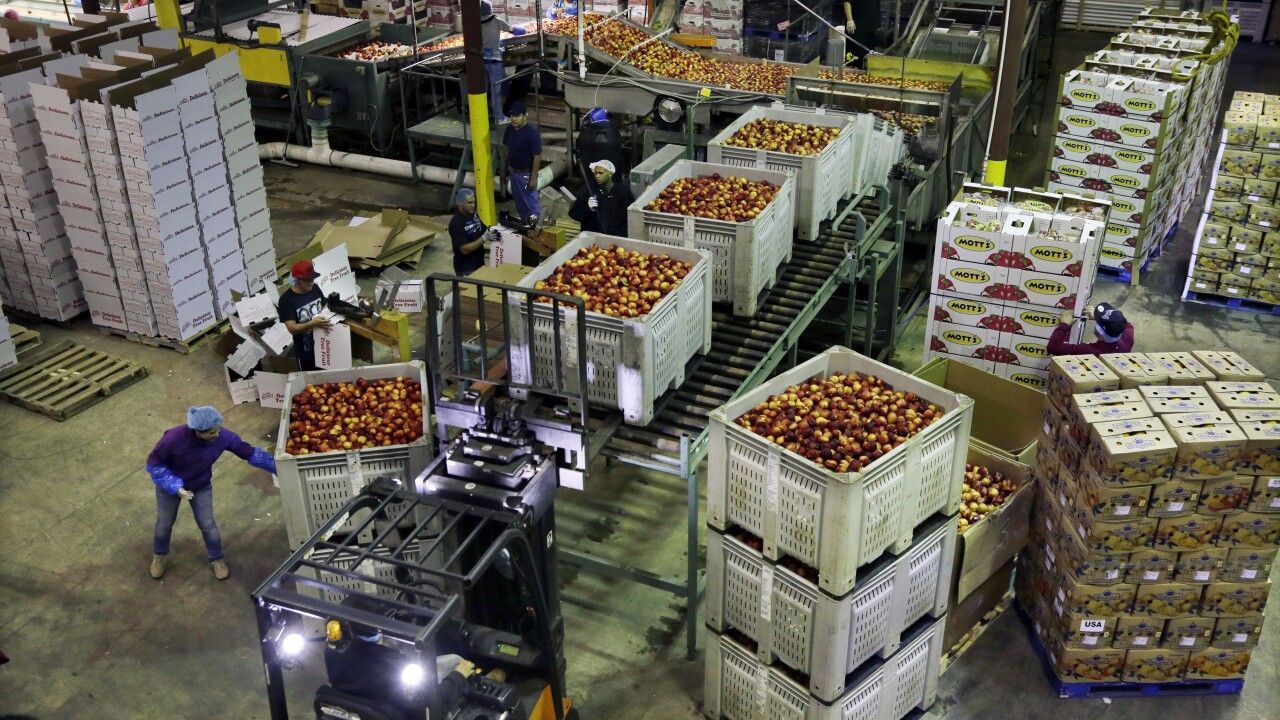
Wholesale costs in the United States remained unchanged in the past month, with no overall rise occurring even with the introduction of additional tariffs. This situation indicates that inflationary forces affecting producers might be less intense than some experts predicted, despite the evolving trade policies and the ongoing adjustments in global supply networks.
According to data released by the U.S. Bureau of Labor Statistics, the Producer Price Index (PPI), which tracks changes in prices received by domestic producers for their goods and services, remained unchanged on a seasonally adjusted basis. This follows a modest increase in the previous month and reflects a broader trend of cooling price momentum across key segments of the economy.
The constant nature of wholesale prices has taken some experts by surprise, as they anticipated a more significant effect from the recently implemented tariffs, especially those affecting imported products from key industries. Normally, tariffs can increase input expenses for producers and suppliers, which might then be transferred to buyers. Nonetheless, this time, the unchanged figures imply that local manufacturers either took on the extra costs themselves or that pricing trends in different sectors helped counterbalance possible hikes.
Taking a detailed examination of the index parts, the information shows varied patterns. Despite the drop in energy costs contributing to a lower overall number, other sectors like services and food expenses showed moderate increases. The reduction in energy charges—primarily driven by decreased fuel prices—served to offset the rising trends in other segments. These internal changes emphasize the intricacy of inflationary behaviors and indicate that relying on one element, like tariffs, might not be enough to dramatically change overall pricing movements.
The stable PPI figure corresponds with the overall story that inflation, though persisting in the economy, could be leveling off after a phase of quick expansion. In the last couple of years, companies and consumers have dealt with increasing expenses owing to a mix of supply chain issues, labor market challenges, and worldwide geopolitical instability. Nonetheless, newer statistics indicate that these pressures might be diminishing, at least in terms of wholesale.
Economists are closely monitoring this trend, especially in the context of monetary policy. The Federal Reserve, which has raised interest rates multiple times in an effort to control inflation, looks to indicators like the PPI as a signal of underlying cost trends. A stable PPI could give policymakers more confidence that their measures are having the desired effect without the need for additional aggressive rate hikes.
Still, some caution that the current figures may not fully reflect the long-term impact of tariffs. Pricing changes can take time to filter through supply chains, and businesses may be using temporary measures—such as drawing down inventories or renegotiating supplier contracts—to mitigate cost increases in the short term. If tariffs remain in place or expand further, upward pressure on prices could resurface in coming months.
Desde una perspectiva empresarial, la estabilidad en la tasa de inflación mayorista ofrece cierto alivio. Las compañías que dependen de componentes o materias primas importadas son especialmente susceptibles a las variaciones de costos derivadas de las políticas de comercio internacional. Un entorno de precios estable permite a las empresas planificar de manera más eficaz, mantener sus márgenes de ganancia y evitar trasladar costos adicionales a los consumidores. Esto es de particular importancia en áreas como la manufactura, la construcción y el transporte, donde la fluctuación de precios puede interferir con la planificación operativa y la inversión a largo plazo.
For individuals, the wider significance of stable wholesale prices is somewhat encouraging. Although the PPI doesn’t directly indicate consumer costs, it frequently anticipates changes in the Consumer Price Index (CPI), which tracks what families spend on products and services. When manufacturers do not encounter rising expenses, there is a lower chance that these costs will transfer to retail pricing, possibly relieving financial pressure on households.
However, not all sectors are experiencing the same relief. Service providers, in particular, continue to face rising labor and operational costs. Wages have increased in many industries, and while these gains support household incomes, they also contribute to overall cost structures for businesses. As a result, service sector inflation remains an area of concern and could influence future pricing trends even if goods-related inflation moderates.
Another factor tempering inflation is the evolving global economic landscape. Slower growth in major economies such as China and the European Union has reduced demand for certain commodities and manufacturing inputs. At the same time, improvements in global logistics and a gradual return to pre-pandemic production capacity have eased some of the bottlenecks that previously fueled price spikes.
Despite these encouraging signs, the economic outlook remains complex. The interaction between domestic policy decisions, international trade developments, and macroeconomic forces continues to shape the inflation trajectory. Tariffs, while not immediately pushing prices higher in this instance, still pose a risk if global tensions escalate or if retaliatory measures are introduced by trade partners.
Investors and those involved in the markets are observing the newest information closely. Stock markets saw slight increases after the publication of the PPI report, as the lack of notable inflationary pressure was interpreted as beneficial for business profits and the steadiness of monetary policy. On the other hand, bond markets did not exhibit much fluctuation, indicating that forecasts for upcoming interest rate shifts have mostly stayed the same.
The most recent report on wholesale inflation provides a detailed view of the current state of the economy. Although tariffs continue to be unpredictable, their short-term effect seems limited, especially concerning producer prices. The stable PPI indicates that overall inflation could be leveling off, giving policymakers, businesses, and consumers some relief.
In the future, it will be essential to keep monitoring to determine whether this trend persists or changes as fresh economic figures and policy choices emerge. At present, the stability in wholesale prices offers a comforting indication that inflation, although not completely resolved, is not climbing as rapidly as in earlier quarters.


.jpg "How Legal Solutions Panama can help with offshore company incorporation")
.jpg "Panama pensionado visa for US and Canadian retirees with spouse or property")
