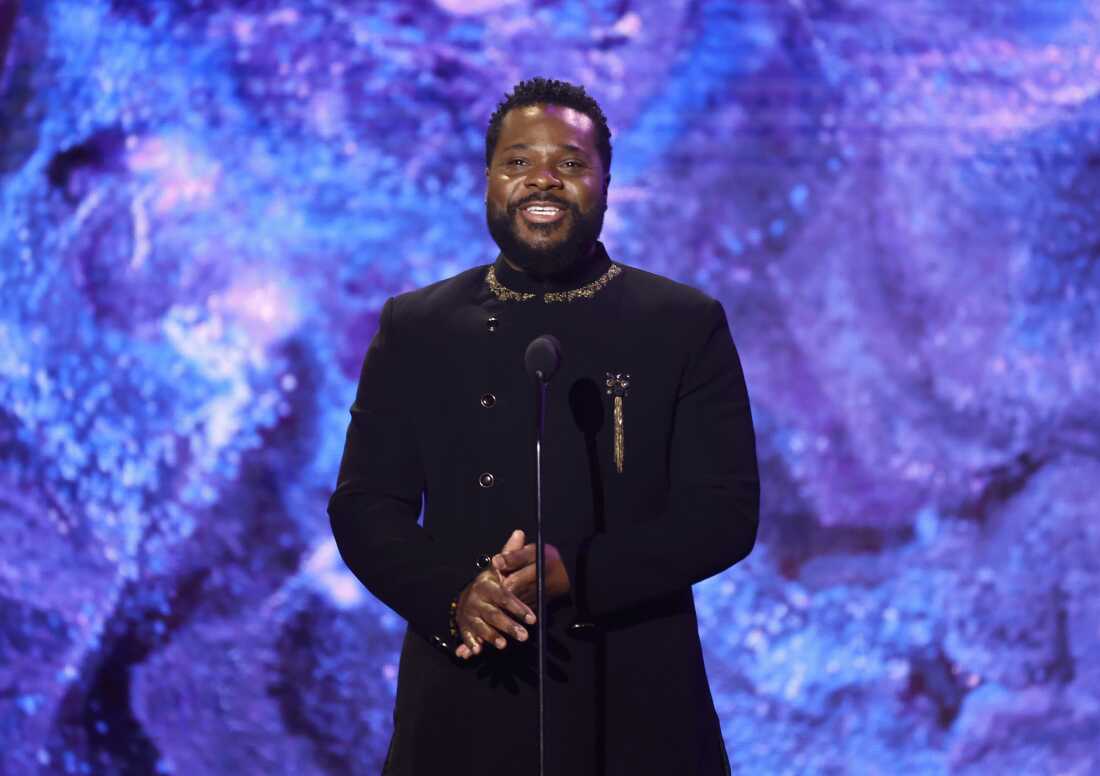
Malcolm-Jamal Warner, well-known for his iconic performance as Theo Huxtable in the revolutionary series The Cosby Show, has died at the age of 54 due to a drowning accident. His untimely passing has deeply affected the entertainment community, with admirers, peers, and co-stars mourning the departure of an actor whose contributions made a significant mark on TV history.
Warner initially gained recognition in the 1980s when he became part of The Cosby Show, a program that changed the landscape of American TV by depicting a flourishing African American family managing daily experiences with wit, affection, and honesty. Portraying the middle child in the Huxtable household, Warner’s depiction of Theo connected with audiences of all ages. His innate charm and sense of humor contributed significantly to the program’s triumph throughout its eight seasons from 1984 to 1992.
Though The Cosby Show brought him fame at an early age, Warner proved to be more than just a sitcom star. He steadily carved out a career that spanned decades, demonstrating his talent across television, film, music, and stage. His ability to navigate a wide range of genres—drama, comedy, and spoken-word performance—reflected his depth as an artist. Those who followed his career knew him as a creative force constantly evolving, never content to be defined solely by his early success.
In the years following his time on The Cosby Show, Warner took on a series of roles that showcased his versatility. He appeared in a variety of television dramas including Sons of Anarchy, The Resident, and Suits, each performance underscoring his ability to tackle more mature, complex characters. His portrayal of Dr. AJ Austin in The Resident was especially praised, earning him renewed critical acclaim and introducing him to a new generation of viewers.
Warner was also passionate about music and poetry. A skilled bass guitarist and spoken-word artist, he released several albums blending jazz, funk, and R&B. His work as a musician was deeply personal and reflective, often exploring themes of identity, legacy, and resilience. For Warner, music wasn’t just a side pursuit—it was an essential part of his expression, allowing him to communicate in ways beyond scripted lines.
Beyond his artistic endeavors, Warner was respected as a thoughtful, introspective figure in the entertainment industry. He was frequently invited to speak about the responsibilities of fame, the evolving role of Black representation in media, and the importance of nurturing creativity. His interviews and public appearances revealed a man deeply aware of the influence his work had on audiences and determined to use his platform with purpose.
News of Warner’s death has prompted an outpouring of tributes from fans and industry professionals alike. Many have taken to social media to share memories of watching The Cosby Show during their youth, recalling how Theo’s relatable experiences and growth reflected their own lives. Others have highlighted Warner’s commitment to social justice, his advocacy for Black voices in media, and his consistent presence as a mentor for emerging artists.
While the world of entertainment comes to terms with this loss, it’s evident that Warner’s legacy will extend well beyond his presence on screen. He embodied an uncommon mix of charisma, sincerity, and artistic dedication that made a lasting impact on both peers and viewers. For numerous individuals, he was more than merely an actor—he was a cultural icon who contributed to shaping the modern television industry, all while staying humble and genuine.
His passing is profoundly shocking, not just because of the tragic situation, but also because of the energy he still brought to his endeavors. Warner had stayed active in recent times, managing acting roles alongside musical performances and creative writing. Those who knew him best describe him as deeply committed to his art, devoted to ongoing development, and excited about upcoming possibilities.
Malcolm-Jamal Warner’s influence will be remembered not only for the iconic characters he portrayed but for the person he was behind the scenes—an artist committed to excellence, a thoughtful voice in challenging times, and a figure who never lost sight of the responsibility that comes with visibility.
While tributes keep coming, numerous individuals are contemplating the happiness and significance Warner imparted into their lives—through humor, motivation, and the genuine authenticity he conveyed in his performances. His absence creates a gap in the cultural landscape that few can occupy, but his contributions will persist in inspiring and affecting future generations.
Though he is no longer with us, the legacy Malcolm-Jamal Warner leaves behind is one of talent, integrity, and profound human connection. His performances, his voice, and his vision will remain a part of the cultural landscape for years to come, a reminder of what it means to live and create with purpose.