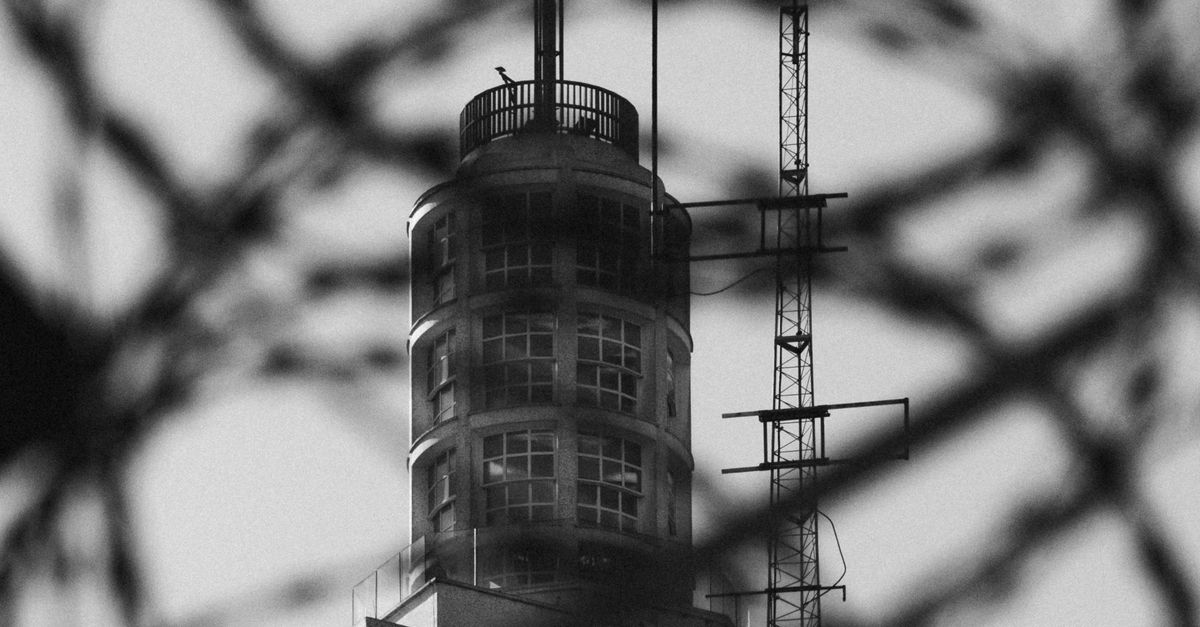
The Federal Reserve has provided an unusual look at its current construction venture valued at $2.5 billion, which updates its iconic headquarters in Washington, D.C. This reveal occurs shortly before former President Donald Trump is anticipated to visit the central bank’s premises, increasing public curiosity about a project that has mostly stayed unnoticed.
Located on Constitution Avenue, the Federal Reserve’s main building, known as the Eccles Building, has stood as a symbol of U.S. monetary policy for nearly a century. Designed in the neoclassical style and completed in 1937, it has served as the central hub for decisions that influence not only the national economy but also financial markets around the world. The scale and scope of the current renovation project reflect the significance of the institution it houses.
The modernization effort, which has been quietly progressing for several years, is one of the largest federal building renovations in recent memory. With an estimated cost of $2.5 billion, the project is designed to bring the building up to 21st-century standards in terms of security, energy efficiency, and functionality—while carefully preserving its architectural heritage.
This rare behind-the-scenes preview provided a look at how the Federal Reserve is balancing tradition with innovation. Key features of the renovation include seismic upgrades, enhanced cybersecurity infrastructure, and expanded workspaces to accommodate evolving needs. There is also a major focus on sustainability, with the renovation aiming for high environmental performance standards, including energy-saving systems, improved insulation, and environmentally responsible construction practices.
Beyond the structural changes, the project symbolizes a broader effort by the central bank to prepare for a future where flexibility, resilience, and digital integration are increasingly vital. The updated headquarters is expected to support more advanced data analysis capabilities and enhanced communications infrastructure, enabling the Fed to carry out its mission more effectively in a complex and rapidly changing global economy.
The timing of this public look into the project is notable, occurring just before Trump’s anticipated visit to the site. Although his tour is not directly connected to the renovation, his presence draws political and media attention to a normally low-profile effort. As a former president who has been outspoken in his criticism of the Federal Reserve, Trump’s visit naturally raises questions about how he views the institution’s evolving role—and how the Fed positions itself in response.
Although no formal connection has been established between Trump’s visit and the renovation, the visual impact of the occasion cannot be overlooked. The central bank has consistently stressed its autonomy from political pressure, and some might see the timing of the visit as symbolic—especially as discussions around monetary policy and interest rates grow more heated.
Inside the building, much of the work remains ongoing, with teams of engineers, architects, and preservationists collaborating to modernize the structure while retaining its historical character. Original marble floors and stone columns are being restored, even as new systems are discreetly integrated into the building’s core. The goal is to ensure that the Eccles Building remains a functional and secure base of operations well into the future.
The refurbishment goes beyond merely visual and functional aspects. Those managing the project have highlighted that the improvements are vital for ensuring the Federal Reserve’s operational safety and effectiveness. Although the structure’s era and initial building standards were remarkable when constructed, they do not align with the requirements of a contemporary entity that is crucial to the financial stability of the United States.
In addition to enhancements within, the project encompasses upgrades to accessibility, guaranteeing that the structure complies with present national guidelines for disability access and public amenities. This is in line with wider governmental objectives to render federal premises more inclusive and practical for employees, stakeholders, and visitors.
The breadth of the refurbishment also demonstrates the central bank’s dedication to maintaining long-term operational consistency. In today’s landscape, where remote work, cybersecurity risks, and environmental issues are more significant, the Federal Reserve is making sure its physical headquarters accommodates its present and future requirements. From cutting-edge climate regulation systems to protected data centers, the renovated facility is planned to endure both anticipated and unexpected challenges.
Observers from both political and financial circles are watching the project closely, not just for its cost but for what it signifies. At a time of heightened political polarization and economic uncertainty, the Federal Reserve’s decision to invest heavily in its physical infrastructure sends a message of institutional permanence and preparedness. The Fed is not just renovating a building—it is reinforcing its foundation as a central pillar of economic governance.
The visit from Trump, despite being largely ceremonial, enhances the political context of the unveiling. His past critiques of the Federal Reserve—especially notable during his presidency, when he often expressed dissatisfaction with interest rate decisions—make his presence at the headquarters of the institution particularly newsworthy. It is yet to be determined if the visit will result in public statements or comments related to policy.
What is certain, however, is that the $2.5 billion renovation is a milestone for the Federal Reserve. It marks a rare investment in the central bank’s physical presence and reflects a forward-looking strategy to maintain its relevance and functionality in the decades to come. While the Fed is often in the news for its decisions on monetary policy, interest rates, and inflation, this moment shifts the focus—at least temporarily—to its architectural and operational evolution.
As the project moves toward completion, it will likely continue to draw public and political attention. Whether viewed as a necessary modernization or as a symbol of governmental expenditure, the renovation represents more than just construction—it reflects the changing nature of how the Federal Reserve operates, communicates, and positions itself in an increasingly complex world.
In the end, the convergence of a high-profile political visit and a rare public view into one of the country’s most powerful institutions underscores a deeper narrative: the Federal Reserve is not only adapting to external pressures and internal demands, but it is also asserting its presence as a modern institution built on historic foundations.