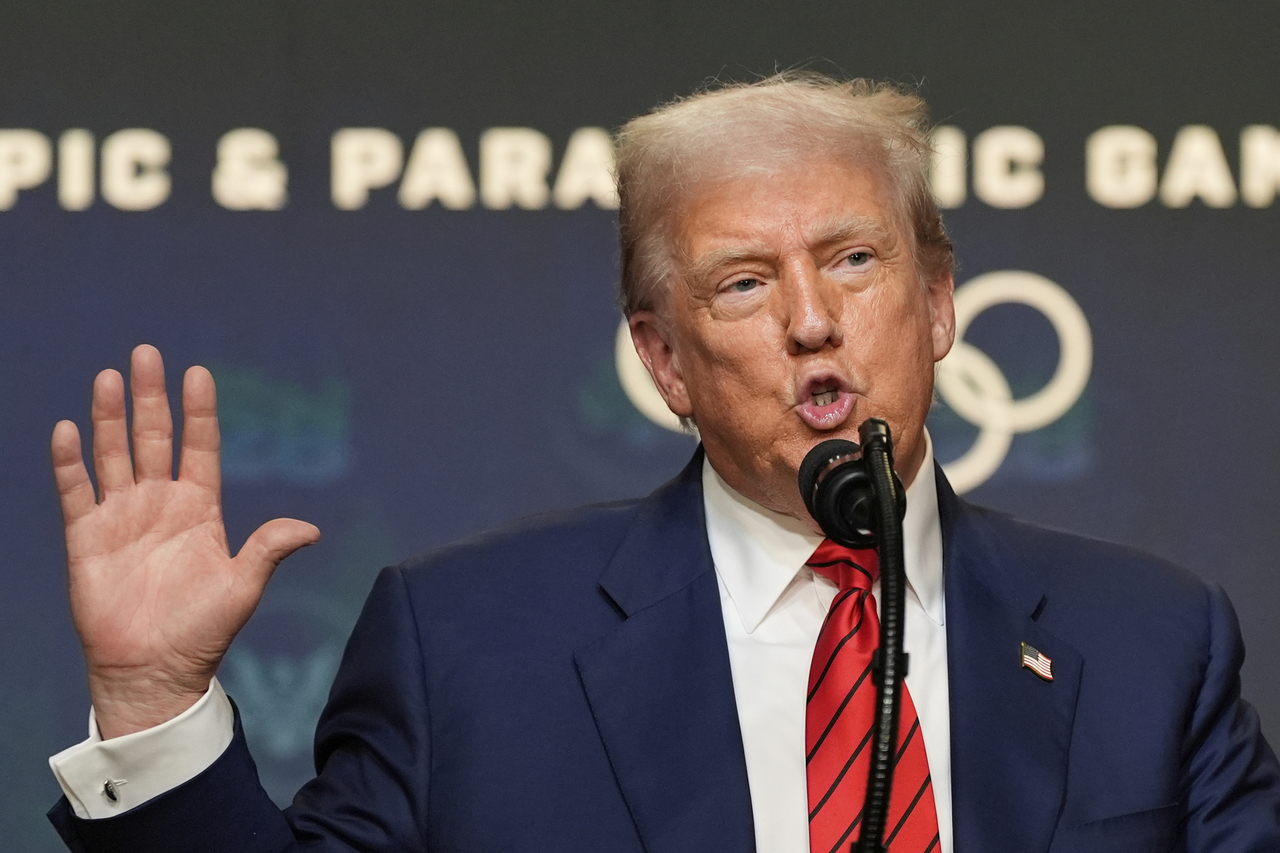
The likelihood of a trade conflict between the United States and the European Union has been avoided after former U.S. President Donald Trump decided not to implement a significant duty on pharmaceutical products from Europe. At first, the Trump administration had indicated plans to impose a 250% duty on medications from Europe, which concerned both industry executives and health organizations globally. Nevertheless, after several weeks of intense discussions, both parties have declared an agreement designed to preserve stability in the global pharmaceutical industry.
The proposed tariff emerged as part of a broader strategy designed to protect American manufacturing and reduce the country’s trade deficit. Advocates of the measure argued that U.S. pharmaceutical companies were losing ground to European manufacturers, which benefited from what they viewed as unfair pricing practices and government subsidies.
Trump, who had repeatedly promised to prioritize American jobs and industries, framed the tariff as a necessary step toward leveling the playing field. The 250% figure, however, stunned economists and healthcare experts, who warned that such an aggressive policy could have severe consequences for both consumers and the healthcare system.
Healthcare organizations in the United States quickly sounded the alarm. A sharp increase in the price of imported drugs would inevitably lead to higher out-of-pocket costs for patients, particularly for medications without domestic alternatives. Essential treatments for chronic illnesses, cancer, and rare diseases—many of which are produced by European firms—could have become prohibitively expensive for American patients.
Industry analysts noted that supply chains are deeply interconnected across borders, making pharmaceutical production a global enterprise. A tariff of this magnitude, they warned, could have disrupted the availability of life-saving drugs and delayed access to critical therapies. The pharmaceutical industry, already under scrutiny for high prices, faced the possibility of additional instability that would have worsened the affordability crisis in healthcare.
Understanding the potential consequences, European trade representatives began a set of high-level talks with their U.S. counterparts. Throughout several weeks, the negotiators concentrated on tackling the key issues behind the tariff threat, such as intellectual property rights, research and development investments, and regulatory harmonization.
Based on reports from those familiar with the discussions, progress was achieved when the parties concurred on a framework that encourages collaboration instead of conflict. The agreement involves pledges to examine collaborative projects that increase transparency in the pricing of medications and support domestic manufacturing without using harsh tariffs.
While the full details of the agreement have not been disclosed, officials have confirmed that the 250% tariff proposal has been withdrawn. Both sides emphasized the importance of continued dialogue, signaling that trade tensions—though reduced—are not completely resolved.
The news was received with relief throughout the pharmaceutical sector. European producers showed hope for the future of trade between Europe and North America, whereas American firms were pleased with the prevention of a policy that might have triggered countermeasures.
Health advocacy organizations also welcomed the decision, noting that keeping a transparent and stable trading environment is crucial to guarantee timely access to medicines. Specialists emphasized that any interruptions in the worldwide supply chain would eventually negatively impact patients, no matter their location.
Nonetheless, certain experts warned that the fundamental problems persist. The discussion about equitable competition, pricing strategies, and safeguarding intellectual property is still unresolved. Both Washington and Brussels must handle these intricate issues with care to avoid future disputes.
The settlement of this conflict highlights the fragile equilibrium between economic nationalism and global collaboration. Although safeguarding local industries is a valid policy goal, the pharmaceutical industry functions on a level where cooperation frequently surpasses isolationist actions.
This episode highlights that healthcare should not be viewed exclusively as a commodity. Ensuring access to medicines is a vital issue for public health, and trade policies that threaten this accessibility have significant ethical consequences. The choice to refrain from applying such a severe tariff indicates a recognition of these facts.
Trade professionals believe that this deal could lead to more organized collaborations in the field of pharmaceutical research and development. By encouraging collaborative efforts instead of increasing conflicts, both parties can gain from innovation, shared costs, and broader access to advanced treatments.
While the immediate crisis has been defused, the future of U.S.-EU trade relations in the pharmaceutical sector remains a topic of close scrutiny. Ongoing discussions will likely focus on strengthening supply chain resilience, particularly in light of lessons learned during the COVID-19 pandemic, which exposed vulnerabilities in global medical supply systems.
Additionally, policymakers on both sides are under pressure to implement reforms that address affordability without stifling innovation. Transparency in pricing, incentives for local production, and fair competition are expected to remain key elements of future negotiations.
For now, the withdrawal of the 250% tariff proposal is widely viewed as a positive outcome. It prevents a potential surge in drug prices, protects the flow of essential medications, and reduces the risk of a full-scale trade confrontation between two of the world’s largest economies.
In an increasingly interconnected world, this episode demonstrates the necessity of diplomacy in balancing national interests with global health priorities. Rather than resorting to punitive measures that threaten patient well-being, constructive engagement offers a pathway toward sustainable solutions.
.jpg "How Legal Solutions Panama can help with offshore company incorporation")
.jpg "Panama pensionado visa for US and Canadian retirees with spouse or property")