Table of Contents
Manufacturers of Chinese electric vehicles are quickly expanding into global markets, but intense rivalry domestically endangers the existence of certain brands.
Over recent years, China has become a major force in the electric vehicle (EV) industry. The country’s producers have utilized cutting-edge technology, strong supply systems, and government support to lead national sales while aiming for worldwide growth. Prominent firms are now shipping their cars to Europe, North America, and Southeast Asia, indicating the emergence of Chinese EVs as formidable rivals in the global automobile arena. Nonetheless, the intense price battles happening in China’s home market present a notable obstacle, leading to concerns about the future viability of numerous brands.
World expansion and global aspirations
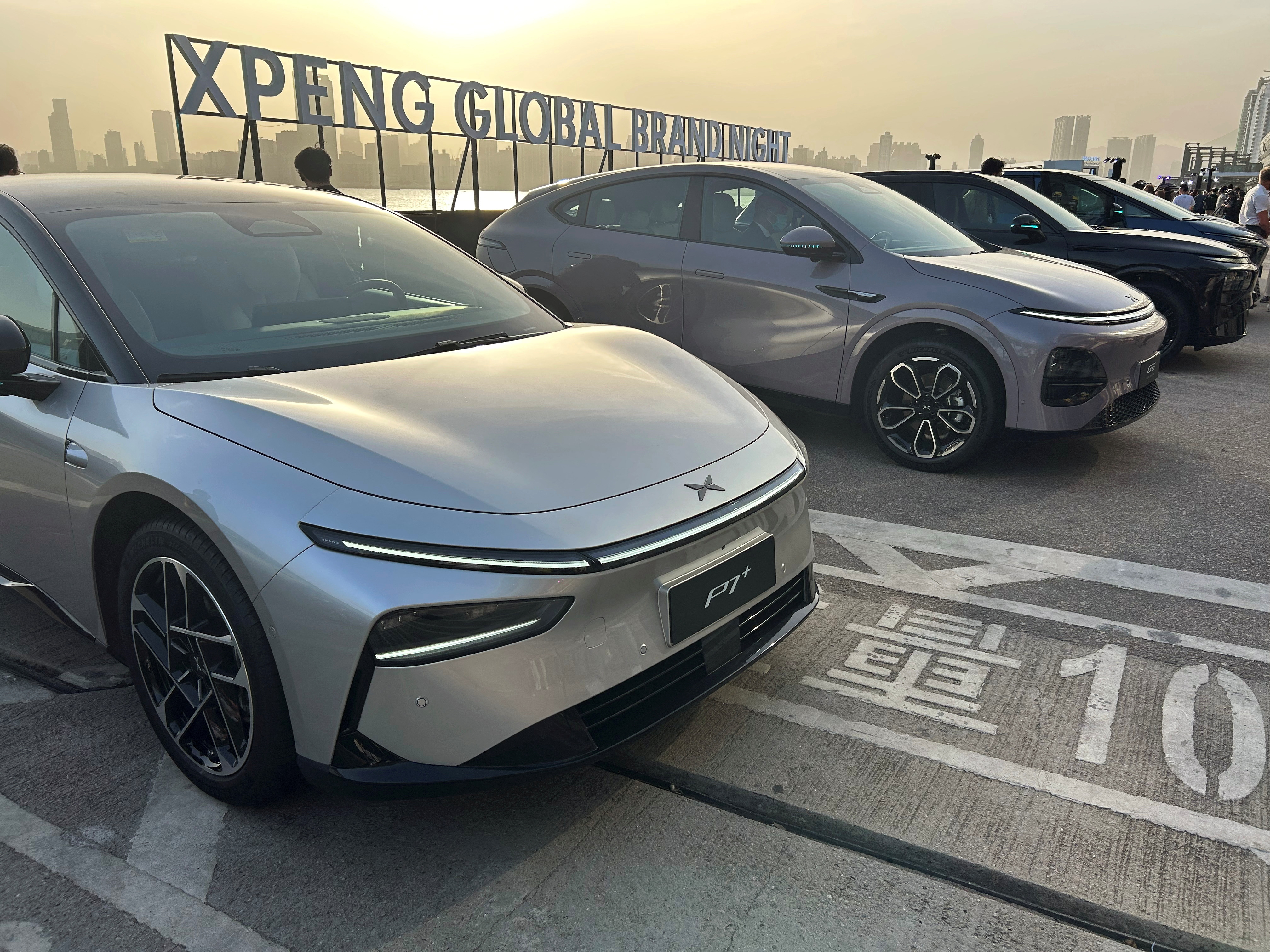
Chinese EV companies are no longer content with capturing domestic market share. Firms such as BYD, NIO, XPeng, and Li Auto have begun forging paths into foreign markets, positioning themselves as affordable alternatives to established Western automakers. By offering high-spec vehicles at lower price points, these brands aim to attract cost-conscious consumers while demonstrating that Chinese EVs can compete in quality, safety, and innovation.
In Europe, Chinese electric vehicles are now visible in prominent cities, capturing the interest of customers attracted by incentives for electric mobility and a commitment to eco-friendly living. Simultaneously, in Southeast Asia and Latin America, manufacturers are entering developing markets where there is an increasing need for cost-effective, energy-saving cars. This worldwide growth demonstrates both strategic planning and belief in their technological advancements, from battery efficiency to intelligent vehicle systems.
The international expansion also aids in broadening revenue channels. As domestic rivalry becomes more intense, going global enables manufacturers to alleviate some of the pressure on their profit margins experienced locally. By tapping into markets where electric vehicles are still in their infancy, Chinese brands can establish awareness and customer allegiance ahead of heightened global competition.
Conflicts over domestic pricing and unification of the market
While international growth appears promising, the home front presents a more daunting challenge. The Chinese EV market has been characterized by intense competition, with dozens of brands offering similar models at increasingly aggressive prices. This has created a “race to the bottom” scenario, where profitability is under constant pressure, and smaller or less established brands risk being squeezed out entirely.
China has historically used government subsidies to boost the adoption of electric vehicles. However, modifications in policy and a gradual decrease in incentives have heightened competition on pricing. Numerous manufacturers are now depending on large-scale sales to stay profitable. Nonetheless, the market is becoming saturated in certain metropolitan areas. Companies unable to achieve scale or set their products apart are experiencing financial pressure, resulting in closures, mergers, or takeovers.
The outcome is likely to be a wave of consolidation, with stronger brands absorbing weaker rivals or some exiting the market entirely. While this may reduce domestic choice for consumers, it could ultimately strengthen the most competitive players, who can then leverage their position for international expansion.
Innovation in technology as a means of survival
In an environment defined by price wars, technological innovation has become a critical differentiator. Companies that invest in battery technology, autonomous driving systems, and smart connectivity features are better positioned to survive both domestic pressures and global competition. Consumers increasingly consider not only price but also range, safety, software integration, and design when choosing an EV, meaning that brands cannot rely solely on low costs to maintain market share.
Battery effectiveness, specifically, is an essential area of competition. Producers in China have achieved notable progress in crafting high-capacity batteries with extended life, quicker charging times, and enhanced safety measures. By combining these improvements with attractive pricing, firms can offer persuasive value propositions that attract both local and global consumers.
Moreover, smart vehicle technology—including AI-assisted driving, digital interfaces, and connected mobility services—is becoming a central selling point. Brands that offer a seamless integration of hardware and software are more likely to maintain customer loyalty and withstand competitive pressures. In this way, technological innovation acts as both a shield and a spear: protecting margins at home while penetrating global markets.
Geopolitical and trade considerations
The global expansion of Chinese EVs is not without challenges. Geopolitical tensions, trade restrictions, and regulatory differences can complicate market entry, requiring companies to navigate complex legal frameworks and import standards. For instance, entering the European Union or U.S. markets involves compliance with stringent safety and environmental regulations, intellectual property protections, and localized customer expectations.
Trade disputes could also impact pricing strategies and profitability. Tariffs or other trade barriers may reduce the cost advantage that Chinese EVs enjoy over local competitors. In response, some manufacturers are exploring localized production or joint ventures to mitigate these risks, further demonstrating the adaptability of China’s EV industry.
However challenging the situation might be, there are substantial possibilities in the worldwide demand for electric mobility. As environmental regulations encourage the shift towards cleaner energy and consumer interest in eco-friendly transport increases, Chinese EV brands are strategically placed to capture market share internationally—provided they sustain financial and technological advantages domestically.
Transforming the concept of electric cars
The trajectory of Chinese EVs illustrates both promise and peril. On one hand, the international expansion underscores the potential of Chinese automakers to redefine the global automotive industry, bringing affordable, technologically advanced vehicles to new markets. On the other hand, the domestic price war serves as a reminder that success abroad depends on resilience and profitability at home.
Companies that can combine innovation, operational efficiency, and strategic pricing are likely to thrive, while weaker competitors may disappear from the market. This natural selection process could ultimately strengthen the sector, allowing Chinese brands to compete on quality and reliability rather than merely cost.
As growth in the global EV sector persists, the balance between local demands and worldwide goals will influence the trajectory of China’s electric vehicle industry. It is crucial for investors, buyers, and decision-makers to comprehend this interaction to predict the potential gains and challenges in one of the fastest-changing fields globally.
The growth of Chinese electric vehicles signifies a more extensive transformation in worldwide automotive influence. Although the path forward is filled with obstacles—ranging from competitive pricing to international trade disagreements—the industry’s capacity for innovation and adaptation implies that Chinese companies are not merely involved in the electric transition—they are playing a pivotal role in shaping it.
.jpg "How Legal Solutions Panama can help with offshore company incorporation")
.jpg "Panama pensionado visa for US and Canadian retirees with spouse or property")