Table of Contents
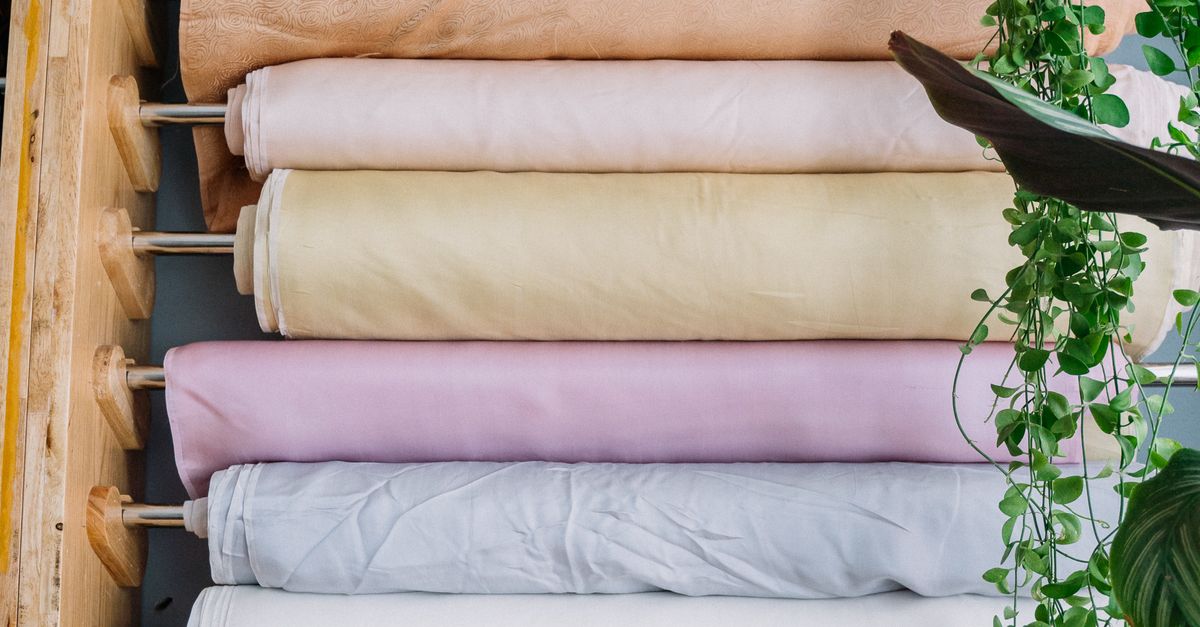
In today’s landscape, interest in eco-conscious and sustainable products continues to grow, and the fashion sector follows this trend closely. Central to this shift are sustainable fabrics, materials crafted to reduce environmental harm across their entire life cycle. Yet what qualifies a fabric as sustainable, and why does it matter within the larger effort to protect the environment?
Defining Sustainable Fabrics
Sustainable fabrics are textiles that prioritize environmental health and ethical production processes. These fabrics are created from sustainable sources, produced with less water and energy, utilize fewer chemicals, and are often biodegradable at the end of their life cycle. A critical aspect of sustainable fabrics is their ability to minimize wastage by recycling and upcycling materials.
Varieties of Eco‑Friendly Textiles
There are various types of sustainable fabrics, each offering unique benefits:
Organic Cotton: Unlike conventional cotton, which is notorious for heavy pesticide use, organic cotton is grown using environmentally friendly methods with natural pesticides and fertilizers. It requires significantly less water and supports biodiversity.
Bamboo: Bamboo fabric is derived from the pulp of bamboo plants, known for their rapid growth and low need for pesticides. Although its processing can be chemical-intensive, newer eco-processing methods are emerging to make it more sustainable.
Tencel: Commonly referred to as lyocell, Tencel is produced from wood pulp sourced mainly from eucalyptus trees through a closed-loop method that reuses both water and solvents. It is appreciated for its gentle feel and its biodegradable nature.
Linen: Produced from the flax plant, linen is one of the oldest textiles and is highly regarded for its durability and biodegradability. It can grow in poor soil without the need for fertilizers, making it an environmentally friendly option.
Recycled Polyester: While polyester itself is not eco-friendly, recycled polyester made from post-consumer plastics, like bottles, helps reduce landfill waste and diminishes the need for virgin polyester production, thus conserving resources.
The Benefits of Sustainable Fabrics
Opting for eco-friendly textiles offers many benefits:
Environmental Impact: Sustainable fabrics significantly reduce environmental degradation. For instance, switching to organic cotton reduces carbon dioxide emissions by 46% compared to conventional cotton.
Water Conservation: The fashion industry is a major water consumer, with reports estimating it uses around 79 billion cubic meters of water annually. Sustainable fabric production often employs methods that drastically lower water usage, addressing issues of water scarcity.
Worker Welfare: Ethically sourced fabrics ensure fair labor practices, safe working conditions, and fair pay for workers, which contributes to the improvement of quality of life in communities involved in textile production.
Obstacles to Embracing Sustainable Fabrics
Despite the clear benefits, there are challenges that hinder the widespread adoption of sustainable fabrics. High production costs and limited consumer awareness are significant barriers. Moreover, the “greenwashing” phenomenon, where brands falsely claim sustainability, can mislead consumers and tarnish trust.
The Path Forward
The journey toward sustainable fabrics is ongoing. Innovation and consumer awareness are pivotal in ensuring sustainability in fashion. Emphasizing rigorous certification standards and transparent supply chains can boost confidence and drive demand for truly sustainable options. As we continue to make informed choices and advocate for responsible fashion, sustainable fabrics stand as keystones to transforming the industry’s impact on our planet.