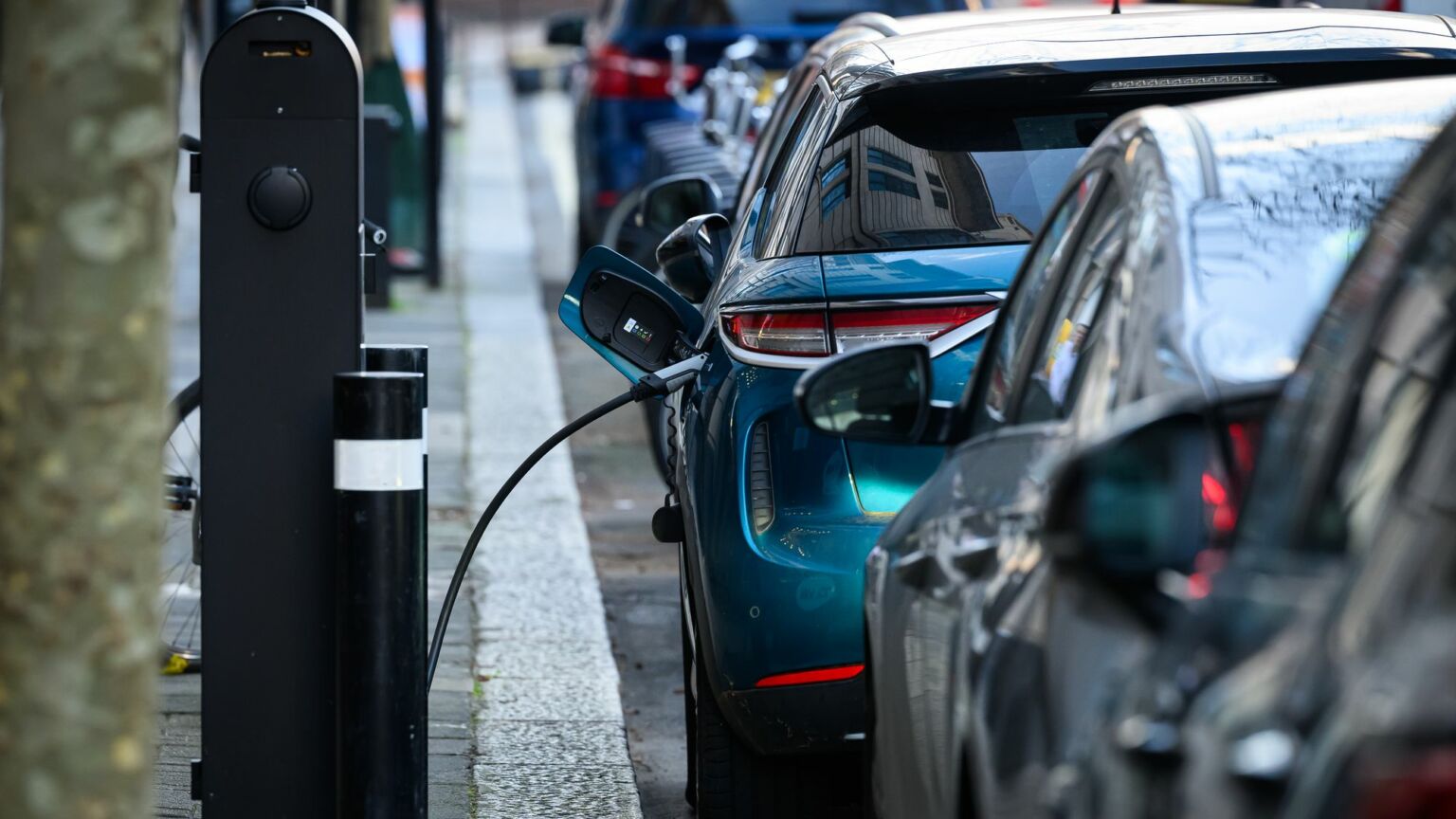
The government of the UK has reiterated its dedication to making electric cars more affordable, revealing strategies to lower initial expenses for buyers. This initiative, as part of a wider plan to promote the switch to low-emission transportation, arises amidst increasing pressure to achieve environmental goals and assist drivers in moving away from gasoline and diesel vehicles.
A government minister recently stated that a range of policy measures is under consideration to ensure EVs become more affordable for a wider segment of the population. The announcement reflects growing recognition that, while electric vehicles offer lower running costs and environmental benefits, their high initial purchase prices remain a significant barrier for many consumers.
In the last ten years, the UK has consistently boosted its backing for EV adoption via different initiatives such as grants, tax breaks, and investment in charging infrastructure. Nevertheless, with the 2035 target approaching to cease the sale of new petrol and diesel vehicles, ministers are currently concentrating on enhancing affordability as a crucial factor to promote greater adoption.
One of the core elements being discussed is the potential return or expansion of financial incentives for EV buyers. While the previous plug-in car grant was phased out in 2022, policymakers are now reviewing alternative funding models that could directly reduce the purchase cost or offer savings through tax breaks or loan support. These changes may also be designed to particularly assist lower-income households and small businesses, which have historically found it more difficult to afford EVs despite their long-term savings.
The minister highlighted the importance of competition and market expansion in reducing prices. With an increase in manufacturers producing electric vehicles and a greater range of models becoming available—including more compact and economical options—prices are anticipated to fall naturally. Improvements in battery technology, economies of scale, and more efficient manufacturing methods are factors that experts believe will make EVs more affordable in the coming years.
Beyond personal vehicle ownership, authorities are motivating fleet organizations, municipalities, and companies to adopt electric options. By endorsing extensive procurement and modifications of fleets, the government aims to elevate market interest, potentially reducing costs even more for consumers overall.
Infrastructure enhancements continue to be a concurrent priority. Making sure that charging stations are accessible, dependable, and fairly distributed both in cities and countryside areas is crucial for fostering public trust in electric vehicles. Although the UK currently boasts thousands of public charging locations, uneven distribution and sluggish implementation in certain regions still pose hurdles to acceptance. The government has pledged more resources for charging infrastructure and is collaborating with private entities to broaden and update the network.
Environmental organizations have welcomed the minister’s pledge, noting that affordability is one of the last remaining hurdles in mainstream EV adoption. While operational costs for electric cars are generally lower—thanks to cheaper electricity compared to petrol and reduced maintenance needs—the high upfront cost often deters budget-conscious buyers. Supporters argue that making EVs price-competitive at the point of sale is key to leveling the playing field and ensuring that the transition to cleaner transport is fair and inclusive.
Groups within the automotive sector have similarly welcomed the announcement, yet they persist in urging the government to offer enduring assurance in their policies. Companies and sellers need reliable circumstances to invest in innovative technology, enhance production, and adjust their business models to the shift towards electric vehicles. A well-defined and constant plan regarding incentives, infrastructure, and regulations will assist them in planning more efficiently and in providing vehicles that fulfill environmental and consumer demands.
In addition to direct consumer incentives, some experts are advocating for reforms in the used EV market. By supporting the development of a robust second-hand electric car sector—through battery certification schemes, consumer education, and financing options—the government can help ensure that affordable EV options are available beyond new car buyers. This is especially important for rural communities and younger drivers, who often rely on the used car market for mobility.
Financial institutions also have a role to play. Several banks and lenders are beginning to tailor loan and lease products specifically for electric vehicles, sometimes offering better rates or bundled benefits such as free charging credits. Partnerships between government and the financial sector could further ease the cost burden for new buyers, particularly during a time of broader economic uncertainty and inflationary pressure.
The government’s renewed focus on EV affordability aligns with its broader net-zero strategy and Clean Growth agenda. Transport remains one of the largest contributors to UK greenhouse gas emissions, and a swift transition to electric mobility is seen as essential for achieving national climate goals. By removing cost barriers and investing in supporting infrastructure, ministers hope to speed up progress and secure public support for the transition.
The perception of electric vehicles is constantly changing. Although those who adopted early have mainly welcomed the innovation, studies indicate numerous prospective purchasers are still cautious, mentioning worries about the vehicle’s range, ease of charging, and affordability. The goal of reducing initial prices is not solely to make them more attainable, but also to demonstrate a wider promise of sustained investment and backing.
Looking ahead, the success of this affordability drive will depend on effective coordination across government departments, local authorities, industry stakeholders, and civil society. Ensuring that funding mechanisms are transparent, accessible, and equitable will be critical, as will communicating clearly with the public about the benefits and realities of EV ownership.
For now, the government’s pledge marks a step in the right direction. As electric vehicles become increasingly central to the future of transport, policies that make them attainable for more people will play a decisive role in shaping both environmental outcomes and economic opportunity. By putting affordability at the center of its transport strategy, the UK signals its intention to make the road to decarbonization open to all.