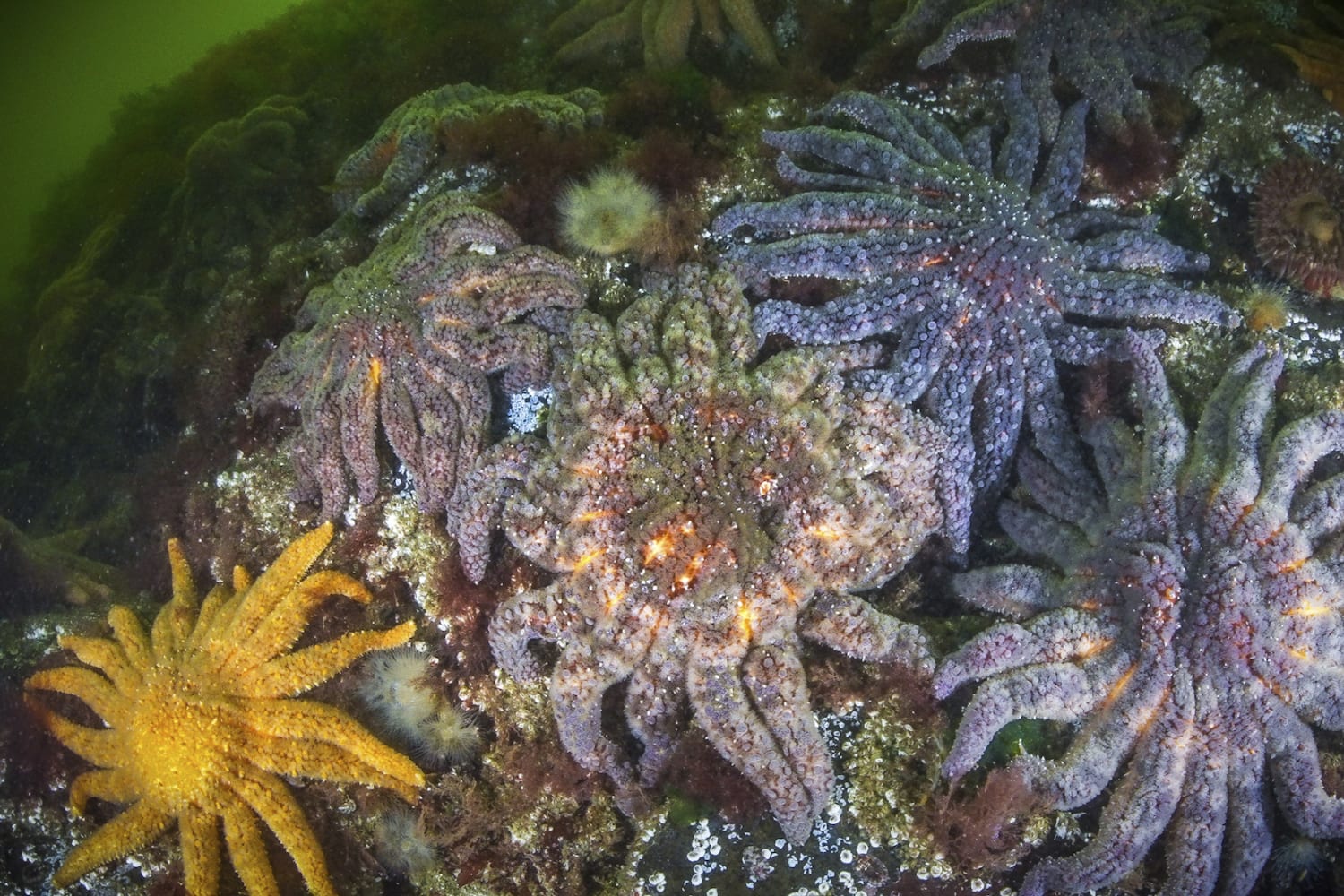
Marine researchers have recently uncovered the factors responsible for a catastrophic decline that wiped out more than five billion sea stars along various coastlines. This unprecedented event, which has had profound ecological consequences, puzzled scientists and conservationists for years. The new findings shed light on the underlying causes of this marine die-off and offer important insights into ocean health and ecosystem stability.
Sea stars, or starfish, are vital components of marine environments, playing crucial roles as predators and ecosystem engineers. Their sudden and massive mortality not only disrupted local biodiversity but also highlighted the vulnerability of ocean species to emerging threats. Understanding what triggered this widespread loss has been a key priority for marine biologists seeking to protect coastal ecosystems.
The study, conducted by an international team of oceanographers and disease ecologists, points to a highly contagious viral pathogen as the primary culprit. Known as sea star wasting disease (SSWD), this condition causes lesions, tissue decay, and eventual disintegration of sea stars’ bodies, often resulting in death within days. While SSWD was first documented in the early 2010s, its rapid spread and severity had mystified researchers.
Through comprehensive field sampling, laboratory investigations, and genomic sequencing, researchers have now verified that a densovirus—an infectious agent not previously associated with sea stars—was the cause of the catastrophic outbreaks. It seems this virus has developed mechanisms that allow it to infect various sea star species over extensive geographic areas, accounting for the wide scope of the mortality event.
Factors in the environment like increasing ocean temperatures and alterations in water chemistry might have worsened the effects of the disease. Elevated water temperatures can compromise the immune defenses of sea stars, heightening their vulnerability to infections and speeding up the spread of viruses. Additionally, higher ocean acidity levels could have put extra stress on these echinoderms, further diminishing their ability to cope.
El estudio también indica que las acciones humanas, como la contaminación costera y la degradación del hábitat, pueden haber influido indirectamente al debilitar la salud de los ecosistemas e incrementar su vulnerabilidad a enfermedades. Esta interacción entre factores ambientales de estrés y patógenos refleja un patrón más amplio observado en las poblaciones de vida silvestre marina y terrestre a nivel mundial.
The large-scale decrease in sea star populations has triggered a chain reaction in marine ecosystems. Acting as keystone predators, sea stars play a vital role in controlling mollusk and other invertebrate numbers, thus sustaining well-balanced community structures. Their reduction caused an uncontrolled increase in specific prey species, which subsequently influenced algal levels and coral reef dynamics, changing the environmental conditions for many marine creatures.
Restoration projects are being conducted in certain impacted areas, with an emphasis on observing sea star numbers, enhancing living environments, and investigating options for cultivating individuals resistant to disease. Nevertheless, the magnitude and ongoing nature of the outbreak pose considerable difficulties for preservation efforts.
The results emphasize the necessity of prompt identification and swift action against wildlife illnesses, especially in marine settings where monitoring can be challenging. Combining disease ecology with climate and pollution studies will be crucial for crafting strategies to prevent future outbreaks and safeguard marine biodiversity.
As worldwide changes in ocean conditions due to climate change persist, it remains vital to comprehend the interaction between pathogens and environmental challenges. The decline in sea star populations is a clear indication of the intricate risks that marine organisms encounter, highlighting the necessity for united scientific and policy initiatives to protect ocean habitats.
In the future, researchers support the expansion of monitoring systems and the allocation of more resources for studying marine diseases. Improved cooperation between government bodies, universities, and conservation groups will be crucial in tackling new challenges and strengthening the ocean’s resilience.
The revelations about the sea star wasting disease provide hope that with deeper knowledge and proactive management, similar ecological catastrophes can be prevented or minimized in the future. Protecting these iconic marine species is not only vital for biodiversity but also for the health of coastal environments that support human communities worldwide.