In the mid-20th century, Britain stood at a crossroads of social reform and traditional morality. Few topics ignited as much debate as homosexuality, which at the time remained criminalized under laws that dated back centuries. Against this backdrop, a pivotal document emerged in 1957 that would challenge long-standing norms and force the nation to confront its values. This report did not simply propose changes to legislation—it triggered a cultural reckoning that divided public opinion for years to come.
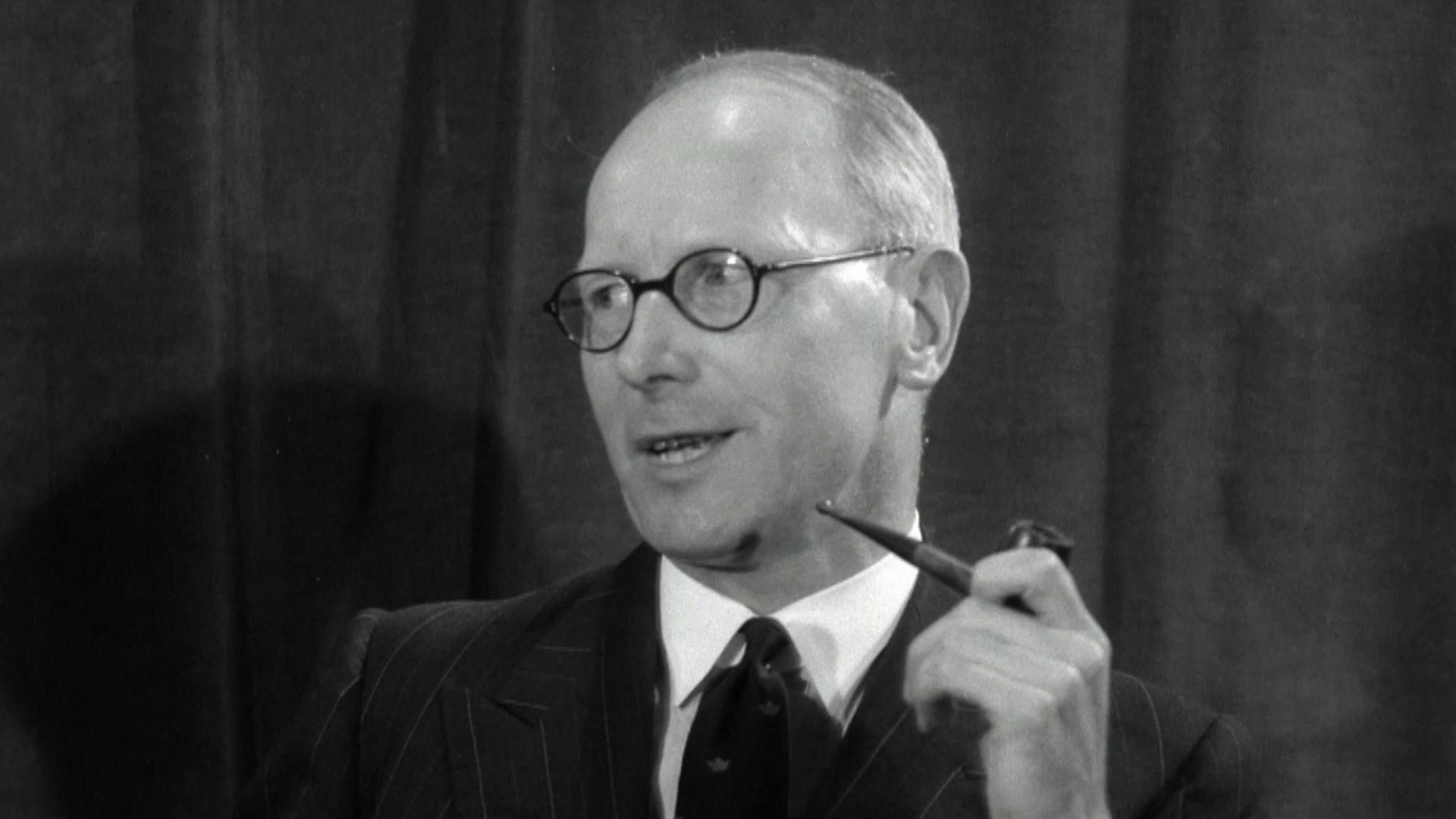
The text referenced was recognized as the Wolfenden Report, named in honor of Sir John Wolfenden, who led the committee that conducted the review. Assigned the task of evaluating legislation concerning homosexuality and prostitution, the committee undertook an investigation that lasted three years, delving into the legal, moral, and societal aspects of these topics. Once released, the report emerged as one of the era’s most significant and debated analyses.
The fundamental suggestion of the report was that consensual relationships between adult men in private should not be treated as a criminal act. While this might appear minor by today’s norms, it was groundbreaking in 1950s Britain. The notion that morality does not always align with criminality questioned long-held convictions about law, religion, and sexuality.
Reactions to the Wolfenden Report were immediate and divided. Advocates praised it as a progressive move, applauding the acknowledgment of individual freedoms and the idea that the government should not intervene in private matters without valid reasons. Critics, conversely, perceived the recommendations as a threat to moral order, cautioning that decriminalization would undermine societal foundations. Media outlets, political figures, and religious leaders all joined the discussion, making the report a focal point for national discourse.
The cultural landscape of the era heightened these conflicts. Post-war Britain was a society in flux, navigating austerity alongside a burgeoning consumer culture, and facing identity questions in a decolonization period. In this context, conversations about sexuality went beyond legal changes; they provoked inquiries into the type of society Britain aimed to evolve into. Could a contemporary nation uphold its moral values while adopting personal liberties, or did advancement entail abandoning tradition?
The efforts of the Wolfenden Committee stood out due to its balanced approach and focus on data rather than beliefs. The committee engaged with legal professionals, religious leaders, medical practitioners, and those personally impacted by the legislation. This wide array of viewpoints lent the report authority, yet also highlighted significant rifts within British society. Some testimonies claimed that homosexuality was a condition needing therapy, while others contended that legal sanctions caused undue pain and injustice.
One of the most striking aspects of the report was its assertion that private morality should not always dictate public law. It famously stated that the function of the criminal law is to preserve public order and decency, not to enforce private morality. This distinction between sin and crime resonated far beyond the question of sexuality, influencing debates on personal freedom that continue to this day.
Despite the report’s groundbreaking conclusions, change did not come overnight. Parliament resisted immediate reform, and it would take a decade before the Sexual Offences Act of 1967 partially implemented the recommendations, decriminalizing homosexual acts between consenting men over the age of 21 in private. This long delay underscores how controversial the issue remained and how deeply the public was divided.
The fierce debate that followed the publication of the report extended beyond legal circles into popular culture. Newspapers ran editorials questioning whether Britain was on the verge of moral collapse, while others praised the report as a triumph of rationality over prejudice. Religious leaders often took to the pulpit to denounce the recommendations, framing the issue as a spiritual battle rather than a legal one. Meanwhile, advocacy groups and intellectuals mobilized to argue that reform was essential for a humane and just society.
For homosexual men residing where criminalization looms, the report provided a ray of optimism. It recognized their presence in a manner that had long been overlooked by official narratives, portraying them not as offenders but as individuals entitled to respect. Nevertheless, this acknowledgment had constraints: the report insisted that homosexual acts should continue to be unlawful if they included anyone below 21 years of age or took place in public spaces. Therefore, even while it supported the movement towards reform, it upheld specific limits reflecting the period’s careful stance on sexual matters.
Reflecting on its significance, the Wolfenden Report can be viewed as both groundbreaking and traditional. Groundbreaking because it challenged the idea that the law should govern private moral issues, and traditional because it supported many conventional values regarding family and societal decency. Nevertheless, its influence is undeniable. It established the intellectual foundation for future reforms, initiated discussions that questioned stigma, and contributed to the development of LGBTQ rights in the United Kingdom.
The controversy it ignited in 1957 also reveals a timeless truth about social change: progress rarely occurs without resistance. Every argument made against decriminalization—fear of societal decay, concerns about morality, appeals to tradition—echoes debates that have surrounded other civil rights struggles throughout history. The report’s legacy is therefore not just legal but philosophical, embodying the ongoing tension between individual liberty and collective morality.
Nowadays, it’s hard to envision a period when private relationships among adults faced criminal sanctions; nonetheless, this was the reality for numerous people just a couple of generations back. The Wolfenden Report highlights how much society has advanced and how easily progress can be threatened by deep-rooted convictions. Its narrative also prompts contemplation about current times: which matters of individual liberty spark similar discussions today, and how will upcoming generations view them?
Over sixty years have passed since the release of the Wolfenden Report, yet it still stands as a pivotal moment in British legal history and an example of the intricate nature of social reform. It highlights how thorough and factual investigation can confront unfairness, regardless of whether the facts are uncomfortable or disliked. Most importantly, it emphasizes the lasting significance of distinguishing law from moral values in a democratic society that treasures both stability and liberty.