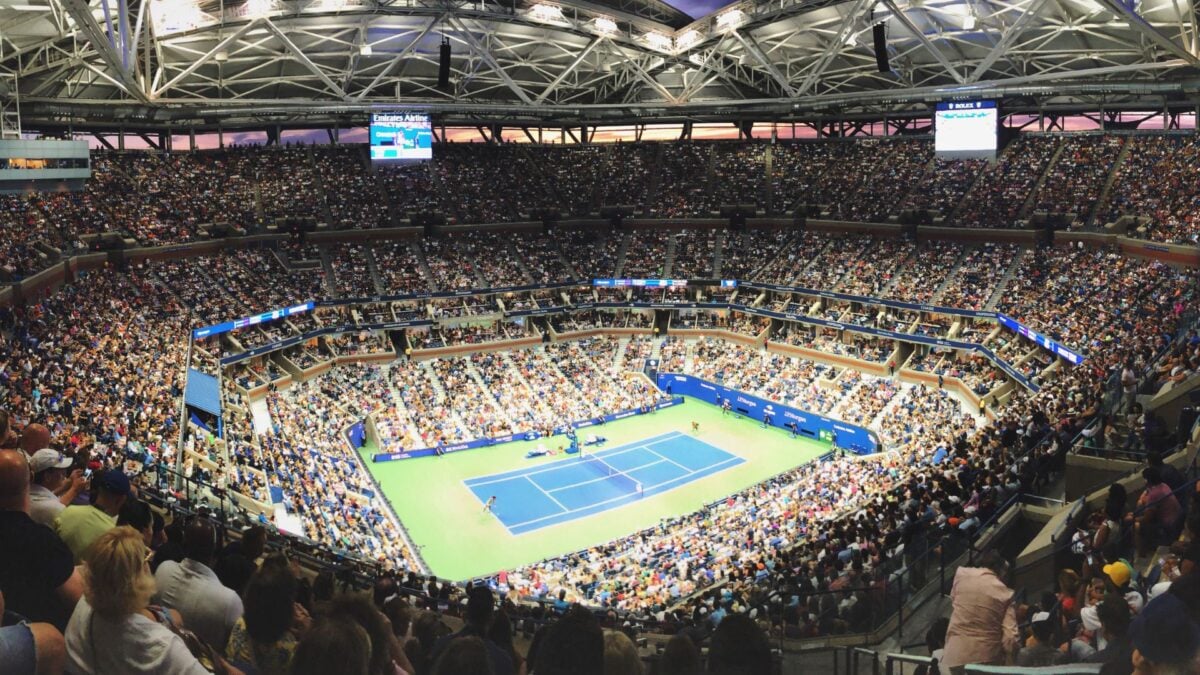
The US Open, one of tennis’s most prestigious Grand Slam tournaments, is now in full swing, drawing the world’s attention to New York City as players compete for one of the sport’s most coveted titles. Held annually at the USTA Billie Jean King National Tennis Center in Flushing Meadows, the event combines elite competition, passionate crowds, and a unique atmosphere that makes it a highlight of the tennis calendar. From rising stars to established champions, the US Open showcases a mix of talent, drama, and athletic excellence that keeps fans on the edge of their seats.
This year, the tournament features a competitive field of men’s and women’s singles players, doubles teams, and mixed doubles pairings. Among the notable names are Grand Slam champions, top-ranked seeds, and emerging players hungry to make their mark on the hard courts of New York. As always, the tournament’s fast-paced hard court surface favors aggressive play, powerful serves, and stamina, making every match unpredictable and thrilling.
For fans following the action, understanding the tournament structure is essential. The US Open follows a single-elimination format, meaning players must win each match to advance to the next round. Early rounds often feature intense matchups between seasoned players and newcomers, while the later stages typically see higher-ranked competitors clashing in high-stakes battles. Both the men’s and women’s draws feature 128 players, creating dozens of exciting matches daily across multiple courts.
In addition to singles play, doubles and mixed doubles events provide opportunities for teamwork, strategy, and fast-paced net play. These matches often feature shorter rallies and quick exchanges, adding variety to the viewing experience and giving fans a chance to see a different side of professional tennis. The doubles events also allow lesser-known players to make a significant impact, as coordination and synergy can outweigh individual rankings.
Several storylines are already emerging as the tournament progresses. Defending champions face pressure to replicate previous success, while top-ranked seeds must manage expectations and the physical demands of consecutive matches. Emerging players are seizing the opportunity to upset higher-ranked opponents, creating early surprises that highlight the unpredictability of Grand Slam tennis. Analysts and commentators are closely watching these developments, as they can provide hints about potential finalists and eventual champions.
Foreseeing a champion at the US Open is consistently difficult due to the extensive pool of talent and the psychological resilience needed to succeed during a fortnight. In the men’s competition, participants excelling on hard-courts, with powerful serves and adaptability under stress, are viewed as leading contenders. In the women’s category, those with quickness, stamina, and tactical hitting are anticipated to excel. Every match offers unique obstacles, such as adapting to changing weather, the energy of the audience, and the high mental demands of performing at tennis’s premier event.
Off the court, the US Open offers a rich fan experience. Spectators enjoy a variety of amenities, from fan zones and interactive exhibits to live music, food, and merchandise. The tournament also emphasizes accessibility, broadcasting matches across multiple platforms and providing coverage for global audiences. This combination of high-level competition and entertainment has helped the US Open maintain its status as one of the most attended and widely viewed sporting events in the world.
Historical context adds another layer of excitement to the tournament. The US Open has seen iconic moments from legendary players, including dramatic five-set matches, record-breaking performances, and unforgettable upsets. These moments contribute to the tournament’s legacy and provide inspiration for the current generation of players, who aim to etch their names alongside past champions in tennis history.
For casual fans and newcomers, following the US Open may seem overwhelming given the number of matches and courts. However, key matches are often highlighted, and major media outlets provide schedules, analysis, and expert predictions. Fans can also follow live statistics, player interviews, and commentary to stay informed about emerging trends and potential matchups in the later rounds.
In addition to individual performances, the tournament has broader implications for rankings and future competitions. Success at the US Open can significantly influence ATP and WTA rankings, affecting seedings in upcoming events and providing momentum heading into the next tennis season. Players who perform well may secure sponsorships, enhance their international reputation, and gain confidence that can translate into future Grand Slam victories.
As the competition continues, supporter involvement stays elevated, with social media boosting key moments, interviews, and behind-the-scenes footage. The online presence of the US Open enables audiences around the world to engage with the event, exchange experiences, and honor remarkable performances. This connectivity increases the international allure of the tournament and highlights its influence in forming modern tennis culture.
The US Open is a celebration of skill, strategy, and competitive spirit. Whether it’s the precision of baseline rallies, the explosive power of serves, or the tactical exchanges at the net, every match contributes to the narrative of the tournament. Fans are treated to a mix of expected outcomes and surprising upsets, making each day a new chapter in the unfolding story of the US Open.
While predicting the ultimate winner remains uncertain, the tournament has already demonstrated why it is regarded as one of tennis’s premier events. The combination of elite athletes, historic venue, and passionate spectators creates an atmosphere that is unmatched in professional sports. Each day brings new opportunities for triumph, heartbreak, and unforgettable moments that will be remembered long after the final point is played.
For athletes, participating in the US Open is not just about the possibility of securing a Grand Slam victory; it is also about measuring their skills against the world’s elite while under immense pressure. Spectators enjoy the event as a display of athletic ability, endurance, and the exciting elements that characterize the sport of tennis. As the tournament reaches its closing stages, excitement grows among all, as there’s great interest in discovering which competitor will stand out and make a memorable impact on this legendary championship.
In the end, the US Open is more than just a sporting event—it is a global celebration of tennis, culture, and human achievement. From emerging stars to established champions, the tournament provides a platform for excellence, resilience, and unforgettable competition. Fans can follow the action knowing that every match has the potential to create history, inspire new generations, and contribute to the enduring legacy of one of tennis’s most prestigious stages.

:max_bytes(150000):strip_icc()/VWH-GettyImages-2168531818-3e0c9a6c46fe445ab049a4daf639baa5.jpg "How To Incorporate Glycolic Acid Into Your Skincare Routine, According To The Experts")