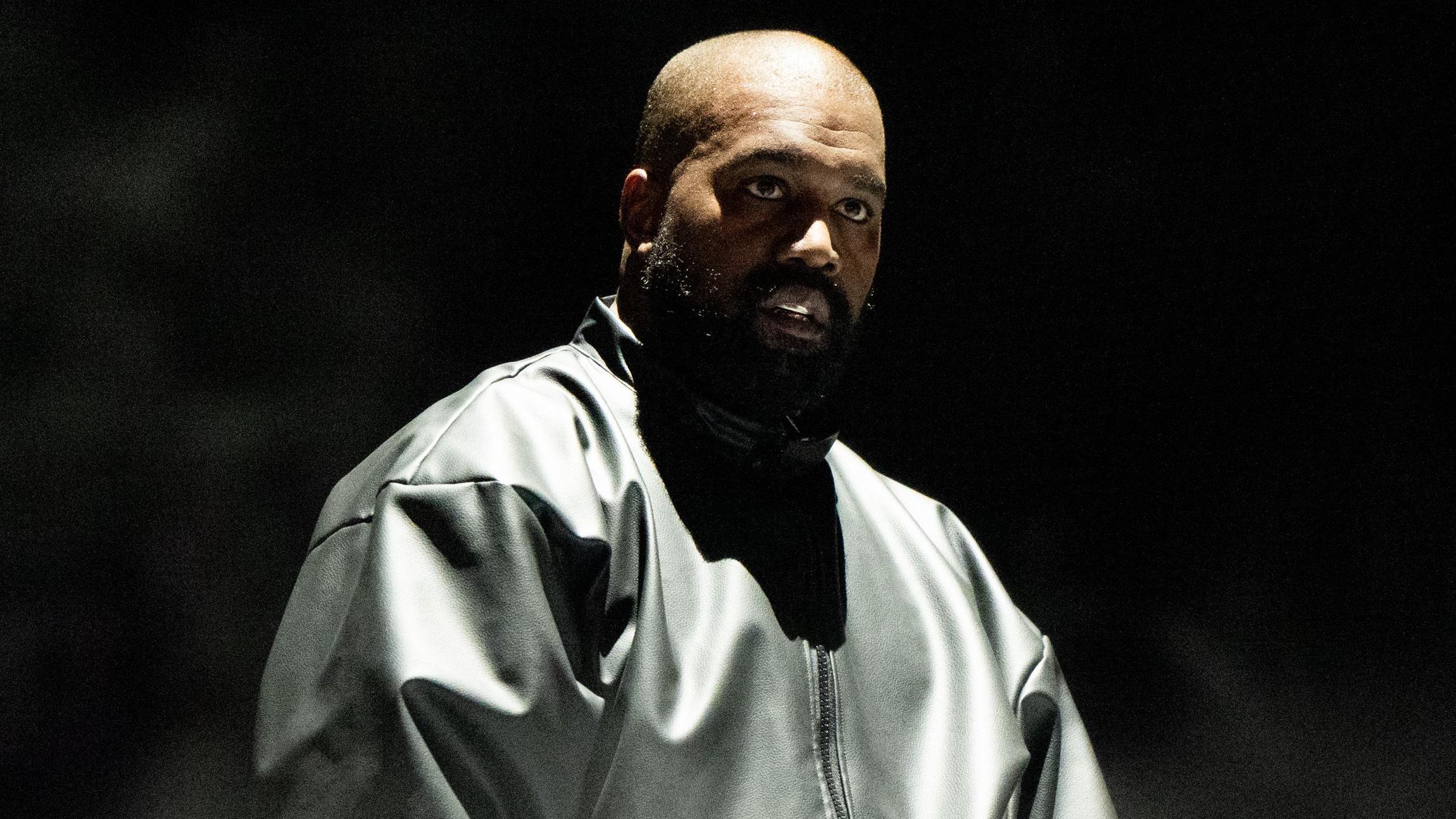
A significant music festival in Slovakia, which recently attracted attention by revealing Kanye West as one of its main performers, has been officially canceled. The unforeseen cancellation is a letdown for the thousands of music enthusiasts who were looking forward to the event, which was planned to unite some of the top artists in rap and hip-hop for a weekend filled with live shows, camaraderie, and festivity.
The event, intended to establish itself as one of the biggest rap-centered festivals in Eastern Europe, was set to occur later this year. The organizers anticipated that having a globally known performer like Kanye West would enhance the festival’s standing, draw international interest, and increase ticket purchases. Nevertheless, due to several obstacles, the event has been called off, resulting in uncertainty for ticket holders and artists about upcoming arrangements.
The inclusion of Kanye West in the lineup was initially met with a mix of excitement and skepticism. While West’s influence in the music industry is undeniable, his recent controversies and unpredictable behavior raised questions among some fans and local observers. Even so, the announcement generated significant buzz, with media outlets and social platforms lighting up as fans shared their enthusiasm for what promised to be a landmark performance in the region.
Nevertheless, although there was initial excitement, the festival quickly encountered several logistical and financial challenges. Based on local sources, issues related to event organization, infrastructure preparation, and budget limitations emerged shortly after the announcement. The expenses involved in hosting an artist of West’s caliber in Slovakia, in addition to required accommodations, security protocols, and production criteria, seem to have strained the festival’s budget beyond its limits.
En paralelo a los retos financieros, los organizadores encontraron problemas para obtener los permisos necesarios y cumplir con las normativas de la ciudad requeridas para llevar a cabo un evento de tal magnitud. Organizar un festival de esta escala requiere coordinación con las autoridades locales, equipos de seguridad y gestión del recinto, y cualquier error puede interrumpir rápidamente el proceso. A medida que se acercaba la fecha original, se hizo más evidente que la preparación esencial no se estaba llevando a cabo como se esperaba.
Supporters who had bought tickets shared their dissatisfaction on social platforms, with many highlighting their displeasure not only with the event being called off but also with the absence of transparent communication before the official notice. Several ticket owners noted that information from the event coordinators was infrequent and unclear, leaving them unsure about the event’s situation until the cancellation was formally announced.
The festival’s cancellation has also sparked broader conversations about the viability of hosting large-scale international music events in smaller European markets. While countries like Slovakia have a vibrant and growing music scene, staging an event of this size and complexity requires substantial financial investment, infrastructure, and logistical expertise. For many smaller promoters, the risks may simply outweigh the potential rewards, particularly when working with high-profile global artists.
Kanye West’s participation, although it might significantly boost ticket sales, also introduced more intricacy. He is recognized for his unpredictable behavior, public disputes, and sudden cancellations in prior instances. Having West as the main act might have been viewed as both promising and risky. His inclination for last-minute alterations, unconventional shows, and divisive public remarks might have caused certain partners and sponsors to be cautious about completely supporting the event.
Moreover, in today’s fast-moving digital environment, the pressure on festival organizers to deliver not just a successful event but a memorable cultural moment is higher than ever. Music festivals are no longer just about live performances—they are immersive experiences that rely heavily on social media engagement, influencer participation, and viral content. Falling short in any of these areas can significantly impact ticket sales, brand reputation, and long-term viability.
The financial implications are also substantial. Engaging global performers, especially of West’s stature, entails not only steep appearance fees but also comprehensive technical needs. From stage layout and audio management to artist care and safety, expenses can rapidly surpass initial forecasts. For a festival functioning in a market where average ticket costs and local sponsorships might not align with those of bigger international markets, the financial framework becomes unstable.
Otra razón que podría haber influido en la cancelación es el entorno cambiante de la música en vivo después de la pandemia. Aunque el interés por los eventos en vivo ha regresado con fuerza, muchos organizadores todavía enfrentan nuevos retos relacionados con la seguridad pública, regulaciones en evolución y expectativas fluctuantes del público. Las exigencias logísticas de albergar a miles de asistentes mientras se cumplen los protocolos de salud y seguridad pueden ser una tarea desalentadora, especialmente para eventos que aún están en proceso de consolidarse.
Although there was a setback, numerous enthusiasts and industry experts are optimistic that the festival’s concept will continue. Slovakia and the nearby area are home to a devoted community of hip-hop and rap enthusiasts, along with a rising number of gifted local performers who need opportunities to present their art. Introducing international celebrities to this area can greatly motivate and unify communities, yet it demands meticulous organization, sustainable advancement, and pragmatic outlooks.
In the meantime, attention has turned to how the organizers will handle ticket refunds and communicate with the affected attendees. Transparency and timely updates will be crucial in maintaining goodwill among fans and potential future festival-goers. Many ticket holders have expressed concerns about refund processes, and clear guidelines will be necessary to avoid further reputational damage.
The event’s cancellation highlights the importance for music festival planners to achieve a balance between ambition and practicality. Although attracting famous artists can create excitement and initial interest, sustainable success frequently results from developing a strong base with smaller, more manageable events that incrementally grow. Festivals like Glastonbury, Coachella, and Primavera Sound spent years building their international stature, growing naturally while fostering dedicated audiences and industry credibility.
For Kanye West, the Slovak festival’s cancellation is merely another episode in his intricate and tumultuous interactions with the live music scene. West continues to be a highly impactful and divisive personality in modern music, with a career characterized by both innovative creativity and notable controversies. His impact reaches beyond music, influencing fashion, art, and culture, positioning him as both an asset and a complex collaborator for live performances.
No matter the personal views about West, his global celebrity status is unequivocal. Hosting an artist of such caliber in an up-and-coming market like Slovakia would have represented an important cultural milestone for the area. The letdown associated with the event’s cancellation underscores both the excitement of the regional fans and the logistical challenges that need to be addressed to realize such ambitious plans.
Looking ahead, there is still optimism that the dream of a large-scale rap and hip-hop festival in Slovakia can eventually become a reality. Many believe that by focusing on local talent, building strategic partnerships, and growing the festival organically, future editions can succeed without the need for costly international headliners in the early stages. Developing a strong sense of community and offering a well-curated lineup that reflects both global trends and regional talent could prove to be a more sustainable model.
In summary, the Slovak rap festival that was supposed to include Kanye West in its lineup being canceled highlights the challenges of putting together major music events, particularly in developing markets. Although high-profile announcements can create buzz, effectively executing an event demands thorough preparation, financial security, and flexibility to respond to unforeseen situations. This scenario provides both fans and event organizers with important insights that could influence how music festivals are organized in the region and other places. As the worldwide music industry keeps evolving, there remain chances for creativity, perseverance, and fresh ways to connect via live shows.