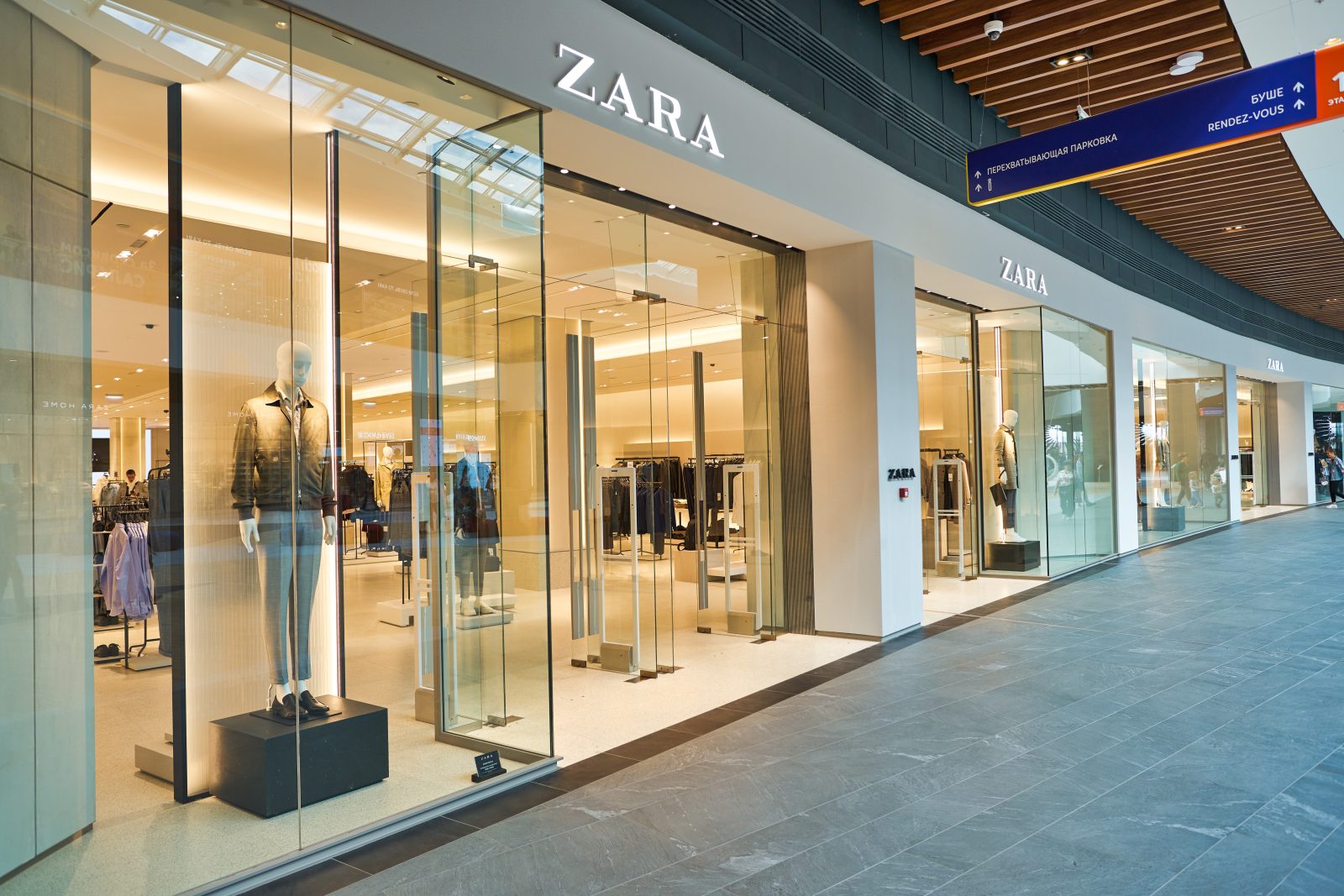
Fashion giant Zara has come under regulatory scrutiny after some of its advertisements were banned for featuring models deemed to promote an unhealthy body image. The decision, made by advertising authorities, follows public complaints that the models showcased in the campaign appeared excessively thin, raising questions about the brand’s portrayal of beauty and health.
The contested ads were part of a broader marketing effort by the international retailer, known for its fast-fashion approach and global presence. While the visuals were consistent with the brand’s signature minimalist aesthetic, the presentation of the models sparked concern. Regulatory bodies found that the imagery could be interpreted as normalizing or glamorizing unhealthy body types, particularly in a context where fashion advertising is known to influence public perception—especially among young and impressionable audiences.
Authorities reviewed the campaign and concluded that the models’ physical appearance fell below acceptable thresholds of healthy representation. The decision to remove the ads was not based solely on one image or subjective interpretation but rather on a comprehensive assessment that considered prevailing health standards, industry guidelines, and feedback from the public.
The prohibition forms a part of a larger initiative by authorities in different nations to ensure companies take responsibility for their advertising messages. Lately, issues regarding body perception, eating disorders, and unattainable beauty ideals have been prominent in debates concerning media accountability. Specifically, the fashion sector has been frequently condemned for showcasing models with significantly low body weight, often without revealing the consequences for health or physical well-being related to such looks.
While Zara has not made a detailed public statement regarding the removal of the ads, the company has in the past expressed commitment to diversity and inclusion in its campaigns. However, critics argue that progress remains uneven, and the recent incident highlights ongoing gaps between intention and execution.
Health professionals and advocacy groups have long emphasized the impact of media representation on mental and physical health. Studies have shown that consistent exposure to unrealistic or underweight body types in advertising can contribute to body dissatisfaction, low self-esteem, and disordered eating behaviors, particularly among adolescents and young adults.
In this situation, the prohibition of Zara’s advertisements is perceived as an essential step instead of a unique imposition. Authorities have explained that the intention isn’t to inhibit artistic expression, but to guarantee that marketing complies with guidelines that emphasize community health. They highlight that this measure should act as a caution to all fashion and beauty labels to thoroughly consider the selection and depiction of models in their promotional activities.
The event also rekindles a persistent discussion in the fashion world: how to harmonize visual appeal, creative expression, and moral duty. Although slenderness has traditionally been linked to haute couture, there is increasing demand from buyers, advocates, and health officials to adopt more inclusive and genuine portrayals of body forms and dimensions.
Certain fashion brands and media platforms have made adjustments, featuring models of various sizes, ethnic groups, and histories in their promotions. Additionally, there is a growing acknowledgment that beauty standards must transform to represent the more widespread public, as opposed to a limited and frequently unrealistic benchmark.
In recent years, several countries have implemented regulations that require brands to disclose when images have been digitally altered or to ensure that models meet minimum health criteria. France, for instance, introduced laws mandating health certifications for models and requiring transparency when photos have been retouched. Similar proposals have been debated in other jurisdictions, signaling a shift toward greater accountability.
Consumer sentiment is also playing a powerful role in this shift. Surveys indicate that buyers are more likely to support brands that promote authenticity, health, and diversity. Younger audiences, in particular, are drawn to companies that align with values of inclusivity and mental wellness, making socially responsible advertising not only ethical but strategically sound.
Zara’s recent setback may prompt a reassessment of its internal policies on model selection and creative direction. While the brand remains one of the most influential in global fashion, moments like these serve as a checkpoint for how influence is wielded. Industry observers suggest that this could be an opportunity for Zara to lead by example, reasserting a commitment to health-conscious representation in future campaigns.
At the same time, the wider fashion industry is dealing with comparable issues. As demands evolve and the push for ethical representation becomes more pronounced, companies face heightened demands to be creative both in their concepts and in the way they share their ideas with the public. Ethical promotion is rapidly emerging as a characteristic of contemporary branding—one that emphasizes consumer confidence and societal influence in addition to financial achievement.
The withdrawal of Zara’s advertisements might be a temporary issue; however, it highlights a lasting change in the relationship between fashion, well-being, perception, and culture. As brands are expected to meet elevated criteria, health proponents and consumers alike aspire for the industry to adopt a more inclusive and empowering view of beauty—one that mirrors reality while preserving creativity.

:max_bytes(150000):strip_icc()/VWH-GettyImages-2168531818-3e0c9a6c46fe445ab049a4daf639baa5.jpg "How To Incorporate Glycolic Acid Into Your Skincare Routine, According To The Experts")