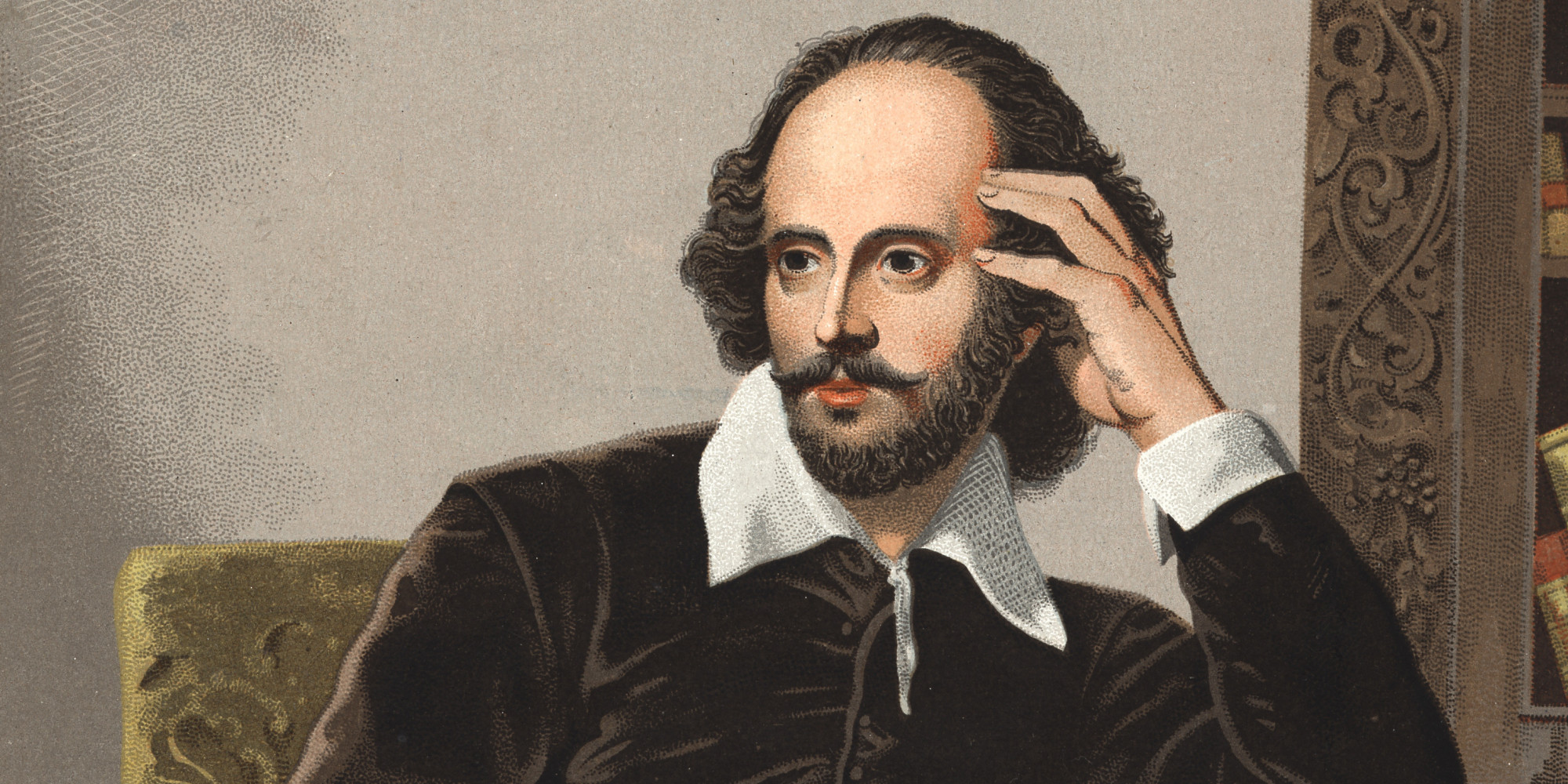
El interés en la vida de William Shakespeare ha cautivado a académicos y apasionados durante mucho tiempo, no solo por sus enormes aportes a la literatura, sino también por los enigmas personales que rodean a su familia y propiedades. Entre los numerosos aspectos interesantes que siguen generando discusión se encuentra su testamento final. Este documento ofrece información sobre sus bienes, pertenencias y vínculos en sus últimos años. Investigaciones y hallazgos recientes han vuelto a poner este artefacto histórico en el centro de atención, mostrando las complejas dinámicas dentro de la familia Shakespeare y las disputas que surgieron posteriormente.
Shakespeare prepared his will at the start of 1616 when he was approaching the conclusion of his life. At this stage, the playwright was already celebrated as one of the most successful dramatists in England. However, his health was failing, and his focus turned to ensuring the well-being of his family. The will served as the main legal document to allocate his assets and properties, which comprised significant real estate in Stratford-upon-Avon and London, along with his personal possessions.
What makes this document so compelling is not merely the distribution of assets but what it implies about family ties, trust, and expectations. While wills are often straightforward, Shakespeare’s testament has sparked centuries of speculation, primarily due to specific provisions that seem puzzling when viewed through a modern lens. The phrasing, the beneficiaries, and the omissions raise questions about what was truly happening within his household during those final months.
One frequently debated aspect is the legacy commonly referred to as his “second-best bed,” which he bequeathed to his wife, Anne Hathaway. To modern readers, this could appear as a slight or an insult, but in the Elizabethan era, the finest bed was typically kept for visitors, whereas the second-best bed often carried profound personal meaning, as it was the marital bed. This decision still sparks discussion: Was it an emblem of closeness or a discreet indication of tension in their relationship?
Beyond the emblematic nature of that singular line, the wider context unveils a complex network of familial interests. Shakespeare had two living daughters — Susanna Hall and Judith Quiney — both of whom were given significant portions of his estate, albeit unequally. Susanna, the older daughter, and her spouse, John Hall, were the primary beneficiaries, acquiring New Place, the family’s impressive residence in Stratford, as well as a large part of the playwright’s wealth. Judith, alternatively, was provided financial arrangements that came with conditional clauses, indicating that Shakespeare might have had reservations regarding her husband’s dependability or monetary expertise.
This unequal distribution has fueled theories about favoritism, mistrust, and the patriarch’s attempts to safeguard his legacy. Some historians argue that Shakespeare sought to consolidate his estate under Susanna’s line, perhaps anticipating greater stability through her marriage. Others suggest that legal norms and strategic planning influenced these decisions more than personal preference. Either way, the document provides a rare glimpse into how property, reputation, and family politics intersected in Jacobean England.
The consequences following the execution of the will introduced additional intricacy. The remaining documents show disagreements and frictions regarding some clauses, especially those connected to Judith’s share. Marital connections, social obligations, and economic duties all contributed to the emergence of these disagreements. It’s crucial to acknowledge that inheritance disputes were frequently encountered among affluent families at that time, and the Shakespeare family was no different.
Outside the close-knit family, the testament additionally mentions various friends and associates who were given small mementos, from companions in the theater to legal attestants. These acts highlight Shakespeare’s links to both the literary and local circles, providing essential insights for historians aiming to grasp his social and work-related ties.
In addition to wealth distribution, the language of the will itself reveals much about the culture of the time. The phrasing reflects a strong sense of order, hierarchy, and legal precision—qualities essential in an era when inheritance disputes could easily escalate into prolonged litigation. The clauses addressing property succession and contingency planning illustrate Shakespeare’s determination to preserve his holdings within his bloodline, even in the face of uncertainty.
Contemporary fascination with the will goes further than mere historical intrigue. Legal experts, literary analysts, and cultural historians perceive it as an insight into Elizabethan family’s dynamics, gender frameworks, and financial tactics. For example, the focus on entailed estates and conditional legacies underscores the restricted independence of women in fiscal issues, despite their crucial positions within homes. Meanwhile, the will contests basic stories regarding Shakespeare as either a loving spouse or an uninvolved patriarch, offering a much more complex depiction influenced by pragmatism just as much as by emotion.
In recent years, digital technology and archival research have enhanced our understanding of this document. High-resolution scans and forensic analysis allow experts to examine the original manuscript in extraordinary detail, revealing alterations, additions, and the handwriting of scriveners involved in its drafting. These findings contribute to broader efforts to reconstruct Shakespeare’s final months and clarify the context in which these decisions were made.
The enduring fascination with this will lies not only in its legal significance but also in what it symbolizes: the intersection of art and life, creativity and mortality. Shakespeare, whose plays explored the depths of ambition, love, betrayal, and power, left behind a testament that reflects those very themes. The questions it raises—about loyalty, legacy, and the human desire for control—remain as compelling today as they were four centuries ago.
The narrative of the Shakespeare family serves to show that even the most renowned literary genius was not immune to the intricacies of family life and the complexities of inheritance law. The debated sections, the meaningful legacies, and the conflicts they ignited still fuel debates among academics and enthusiasts alike. Although the exact reasons for each stipulation might remain a mystery, the will stands as an essential document for grasping not only the material environment in which Shakespeare lived but also the human motivations that influenced his ultimate decisions.
As investigations move forward and fresh insights arise, one aspect stays clear: this ancient object provides much more than merely an inventory. It tells a tale by itself—a chronicle of aspirations, responsibility, and the delicate ties that bind kin, despite mortality. Despite its legal rigidity, the will reflects something deeply humane: the aspiration for order to sustain after life’s unpredictable chaos.