Table of Contents
What Vitamins Are Essential for the Body?
Certainly! Here is the HTML text translated into English, adhering to the given instructions:
“`html
Vitamins are vital in ensuring the body operates efficiently, serving as critical nutrients that the body cannot sufficiently synthesize independently. Proper intake of vitamins supports numerous biological functions, including boosting the immune system and promoting healthy cell activity. Below is an in-depth review of some of the key vitamins necessary for human health:
“`
Retinol
Role: Vitamin A is essential for preserving good eyesight, enhancing the immune response, and promoting growth and development. It also plays a part in maintaining the integrity of the skin and mucous linings.
Sources: Rich sources include liver, fish oils, milk, eggs, and orange or green vegetables like carrots, spinach, and sweet potatoes. Beta-carotene, a precursor to vitamin A, can be found in colorful fruits and vegetables.
Case Study: Research featured in the Journal of Nutrition revealed that populations with a substantial intake of foods high in beta-carotene experienced fewer cases of night vision problems and skin issues, emphasizing the vitamin’s beneficial properties.
“`html
Group of B Vitamins
“`
The B-vitamins are a group of essential nutrients, each with its specific function:
Vitamin B1 (Thiamine): Supports nerve function. Found in whole grains, meats, and fish.
Vitamin B2 (Riboflavin): Essential for producing red blood cells. Found in large amounts in eggs, dairy products, and leafy greens.
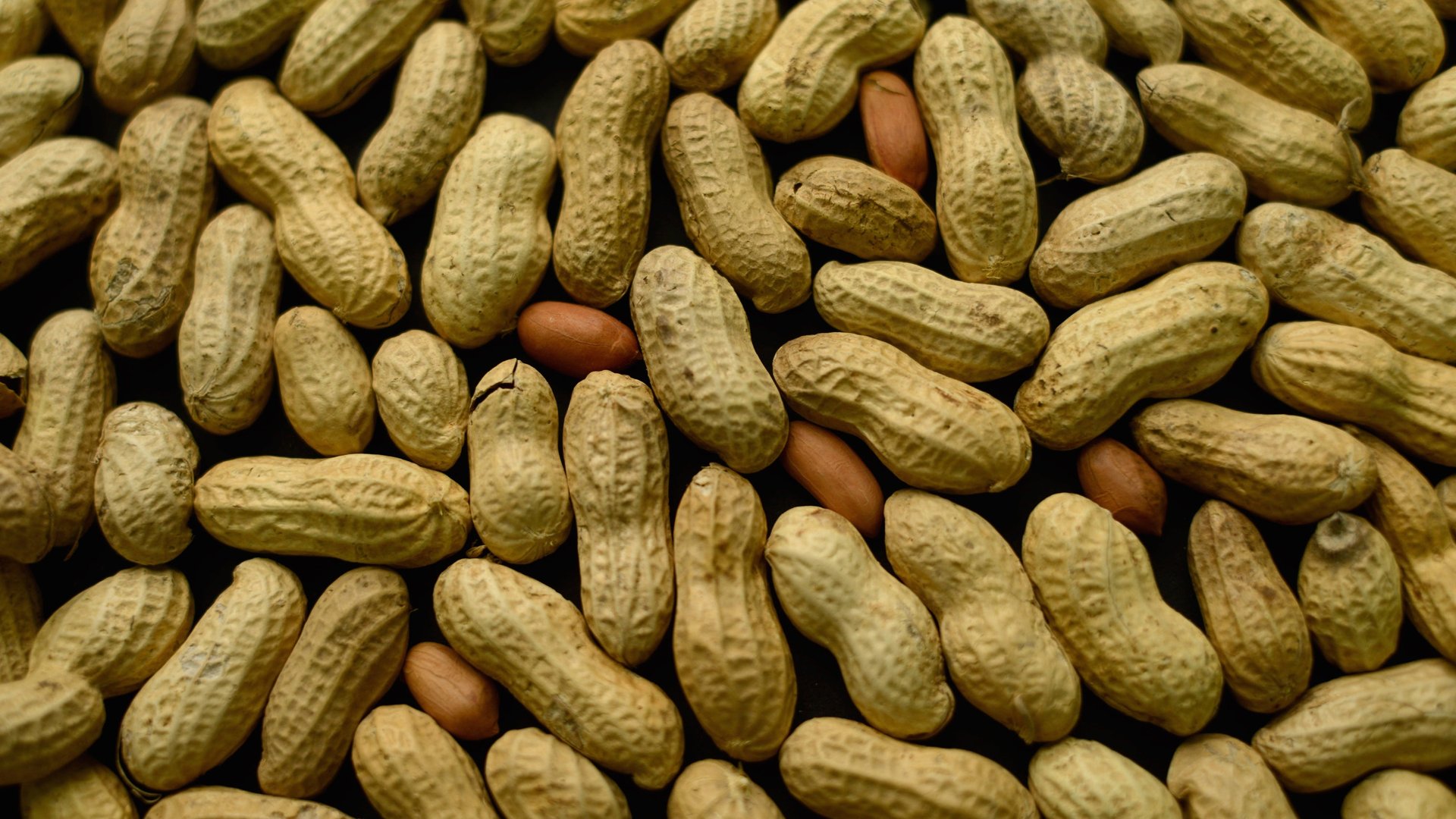
Vitamin B3 (Niacin): Aids in digestion and skin health. Present in poultry, fish, and peanuts.
“`html
Vitamin B6 (Pyridoxine): Essential for breaking down proteins. Present in bananas, nuts, and fish.
“`
Vitamin B9 (Folate): Essential for DNA synthesis and repair. Enriched in leafy greens, nuts, and beans.
Vitamina B12 (Cobalamina): Esencial para el funcionamiento de los nervios y la creación de glóbulos rojos. Se encuentra en productos de origen animal como carne, lácteos y huevos.
Data Example: Research conducted by the American Journal of Clinical Nutrition reported that a balanced intake of B-vitamins can significantly reduce the risk of cardiovascular diseases due to their role in homocysteine metabolism.
Vitamin C
Role: Vitamin C is a powerful antioxidant that helps protect the body from damaging free radicals. It plays a vital part in the production of collagen, which is important for healing wounds and keeping skin flexible.
Sources: Citrus fruits such as oranges and lemons, along with strawberries, bell peppers, and broccoli, contain high levels of vitamin C.
Case Study Highlight: A study from the British Journal of Nutrition indicated that high vitamin C intake correlates with a reduced duration and severity of colds, proving its impact on immune function.
Vitamin D
Function: Known as the “sunshine vitamin,” vitamin D is vital for calcium absorption, promoting bone and dental health. It also plays a role in immune regulation.
Sources: Sunlight exposure enables the body to synthesize vitamin D naturally. Other sources include fortified foods, fish, and eggs.
Significant Study: A publication in the Lancet highlighted the importance of vitamin D in lowering the likelihood of osteoporosis and its possible role in preventing some types of cancer.
“`html
Vitamin E
“`
Function: Acting as a powerful antioxidant, vitamin E protects cells from oxidative stress and supports immune function.
Sources: Found in nuts, seeds, spinach, and vegetable oils.
Sample Observation: An extensive analysis published by the Alpha-Tocopherol, Beta-Carotene Cancer Prevention Study Group concluded that sufficient consumption of vitamin E may lower the likelihood of prostate cancer in smokers, highlighting its antioxidative properties.
Vitamin K
Function: Crucial for the process of blood clotting and maintaining healthy bones, vitamin K aids in the creation of proteins vital for coagulation and the metabolism of bones.
Sources: Green leafy vegetables, such as kale and spinach, and fermented foods like natto are rich in vitamin K.
Healthcare Insight: Research presented in the Journal of Bone and Mineral Research showed that greater consumption of vitamin K in the diet may be associated with a decreased chance of hip fractures, highlighting its importance for bone wellness.
Reflecting on the significance of these vitamins is vital for maintaining an overall healthy lifestyle. While balanced diets typically provide necessary nutrients, supplements can help bridge specific dietary gaps. Understanding these vitamins’ roles lays a foundation for informed dietary choices, contributing to long-term health and well-being.