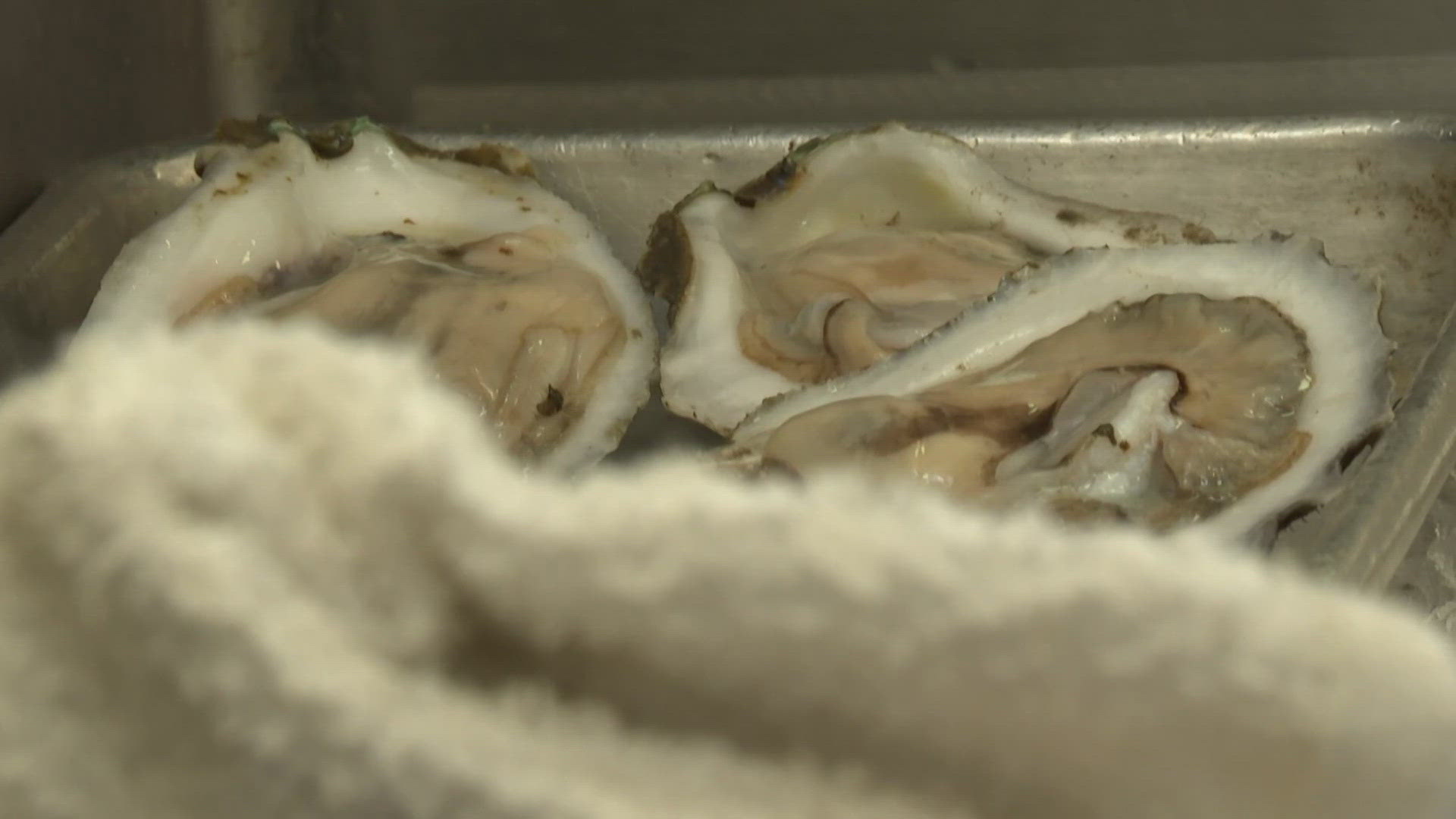
The consumption of raw seafood has long been considered a delicacy in many parts of the world, but recent events have once again highlighted the dangers that can accompany this practice. Health authorities have confirmed that two individuals lost their lives after ingesting raw oysters contaminated with a dangerous strain of flesh-eating bacteria. These incidents serve as a stark reminder of the potential health risks associated with eating uncooked shellfish, particularly when proper handling and storage precautions are not observed.
As per the authorities, the individuals ate the uncooked oysters at various venues, but both incidents resulted in a similar conclusion. Both individuals fell seriously sick shortly after consuming the meal, and even though they underwent medical care, neither survived the intense infection. The microorganism causing these deaths is recognized for its fast advancement and potential to trigger dangerous complications within hours of contact.
Medical experts have identified the pathogen as Vibrio vulnificus, a naturally occurring bacterium found in warm coastal waters. While it is not uncommon for this microorganism to exist in marine environments, infections in humans are relatively rare. However, when they do occur, they can be extremely serious, especially for individuals with weakened immune systems or underlying health conditions. The bacteria can enter the bloodstream and cause sepsis, leading to a very high mortality rate if not treated immediately.
Health officials have stressed that the danger does not come from all oysters, but rather from those that have been harvested from waters where Vibrio bacteria thrive. These bacteria multiply in warm temperatures, making the summer and early fall months particularly risky for consuming raw shellfish. In most cases, proper cooking kills the bacteria and eliminates the threat, which is why experts strongly advise against eating raw or undercooked seafood during these times of the year.
The recent fatalities have sparked renewed debates concerning food safety standards and the significance of consumer education. Despite a common belief among seafood lovers that consuming raw oysters is safe if sourced from trusted vendors, it’s important to note that even shellfish taken from observed locations might contain dangerous microorganisms. Health authorities advise that eateries and seafood outlets adhere to rigorous handling protocols, such as maintaining shellfish at correct refrigeration levels and preventing cross-contamination.
Beyond food handling, there is an increased call for individuals to understand their personal risk factors before consuming raw shellfish. People with liver disease, diabetes, or compromised immune systems are particularly vulnerable to Vibrio infections. In these individuals, even a small exposure to the bacteria can lead to catastrophic health consequences. Doctors encourage high-risk patients to avoid eating raw oysters altogether, no matter how fresh or high-quality they may appear.
Symptoms of Vibrio infection typically begin within 24 to 48 hours after ingestion and can include nausea, vomiting, diarrhea, abdominal pain, and fever. In more severe cases, the infection can progress rapidly, causing blistering skin lesions, tissue necrosis, and septic shock. This is why immediate medical attention is crucial if someone develops these symptoms after eating raw seafood. Early treatment with powerful antibiotics can sometimes save lives, but delays in seeking care can be fatal.
Health agencies in various states are conducting inquiries to identify the origin of the tainted oysters associated with these incidents. Authorities are collaborating with both suppliers and distributors to determine the source of the seafood and to avert additional health issues. In the meantime, the public has been alerted, advising individuals to be vigilant and to think about cooking oysters completely prior to eating.
Some experts argue for stronger labeling requirements on raw seafood products. Labels that clearly outline the risks of eating raw oysters, similar to warnings found on cigarette packages, could help reduce the number of infections each year. Others advocate for seasonal restrictions on raw oyster sales during the warmest months when Vibrio bacteria are most prevalent in coastal waters.
Although such unfortunate fatalities are uncommon when considering the vast number of oysters eaten each year, they highlight the necessity of acknowledging the dangers linked to unprocessed seafood. To numerous individuals, the temptation of raw oysters might appear to be a risk worth taking, yet as these incidents demonstrate, the outcomes can be serious and permanent. Health authorities aspire that by disseminating these cautions and promoting secure food handling measures, upcoming disasters might be avoided.
The responsibility for safety falls on multiple parties: suppliers must ensure proper harvesting and storage conditions, restaurants must follow stringent health protocols, and consumers must make informed choices about what they eat. Cooking oysters thoroughly is the most reliable way to eliminate harmful bacteria, making them safe for everyone to enjoy without fear of infection.
These recent incidents highlight the significant risks associated with consuming uncooked seafood, despite its status as a culinary custom. By taking effective precautions and staying informed, individuals can savor seafood safely without compromising their well-being. For those prioritizing safety over tradition, opting to cook instead of eating it raw could be a crucial choice.