Health officials in New York City have confirmed a second fatality linked to an outbreak of Legionnaires’ disease in Harlem, where more than 50 people have reported symptoms consistent with the illness. The outbreak, first detected in the early summer weeks, has prompted a public health response involving investigation, testing, and outreach efforts across the affected neighborhoods.
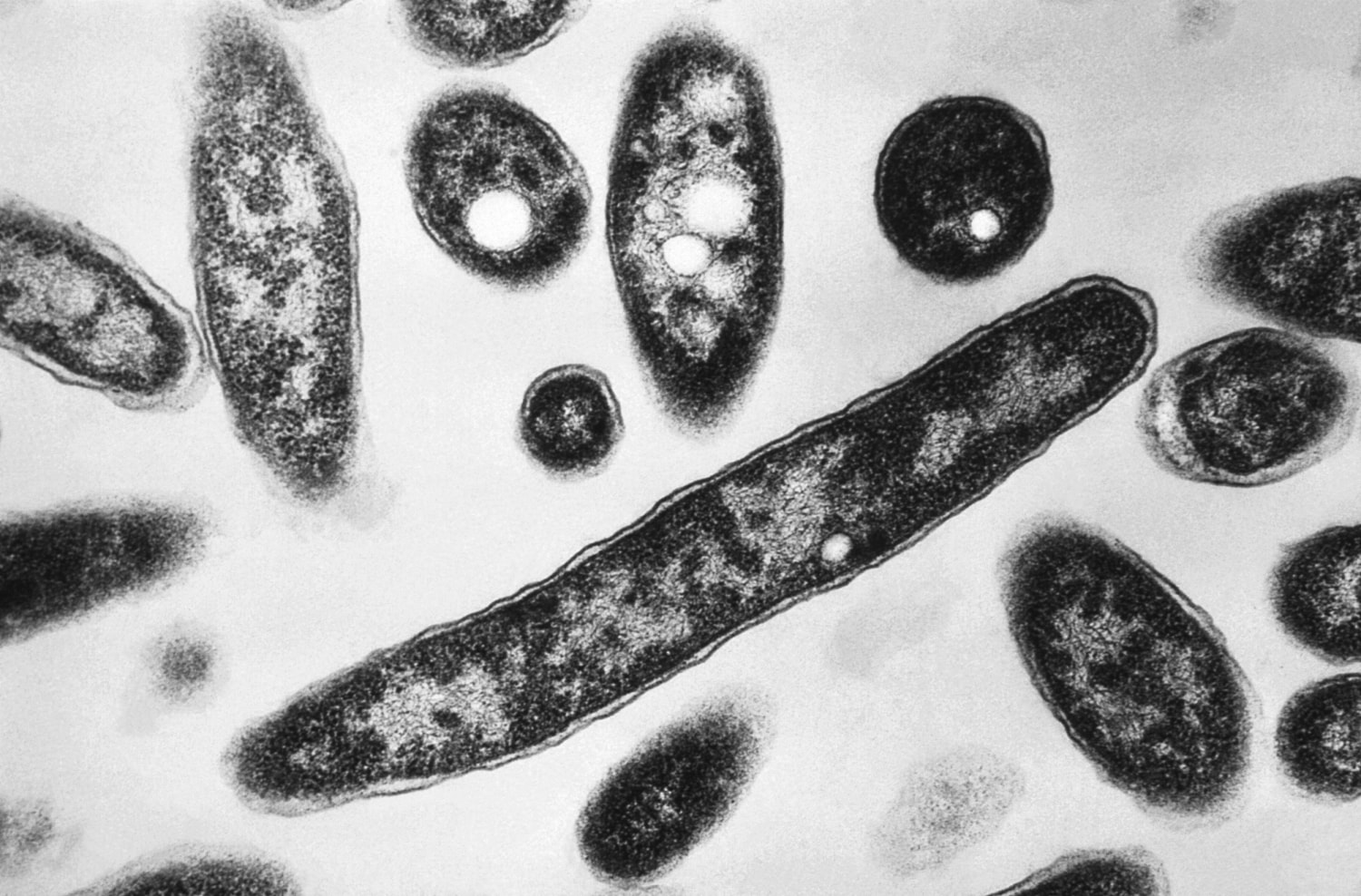
Legionnaires’ disease is a severe form of pneumonia resulting from breathing in water droplets that are tainted with Legionella bacteria. These microorganisms are typically present in natural freshwater settings, but they can thrive quickly in artificial water systems like cooling towers, air-conditioning systems, hot tubs, fountains, and plumbing networks if they are not adequately cared for. When the water carrying the bacteria becomes airborne and is breathed in, it can lead to a serious respiratory condition — particularly in older adults or those with compromised immune systems.
According to the New York City Department of Health, the cluster was identified after a spike in reported cases in central Harlem. As of the latest update, more than 50 people have been diagnosed with Legionnaires’ disease. A majority of those affected required hospitalization due to the severity of symptoms, which include high fever, chills, cough, shortness of breath, fatigue, and chest pain. Health authorities have confirmed that the victims were primarily adults over the age of 50, with many having underlying health conditions.
The second confirmed death has added urgency to the city’s response, which includes testing building cooling systems and other potential sources of bacterial contamination. City officials have urged property managers in the affected area to comply with all cooling tower maintenance requirements, which include regular disinfection and water quality testing. Preliminary investigations have not yet determined a definitive source of the outbreak, but multiple buildings are currently under inspection.
New York City is no stranger to Legionnaires’ outbreaks. Over the past decade, several clusters have occurred, leading to updated public health protocols and legislative changes mandating regular maintenance of cooling towers and related infrastructure. However, even with such measures in place, outbreaks can still occur, particularly during warm and humid months when bacteria thrive and water systems are heavily used.
Municipal authorities have highlighted that Legionnaires’ disease does not transmit through direct person-to-person contact, nor is it spread via drinking water. The main hazard arises from breathing in mist or vapor emanating from infected water systems. Individuals in Harlem have been instructed to steer clear of outdoor misting installations, ornamental fountains, and other aerosol-generating sources if they suffer from weakened respiratory health or belong to vulnerable groups.
In addition to field testing, the Health Department has launched a community engagement effort, distributing flyers, hosting informational sessions, and providing guidance to local clinics and hospitals. Doctors are being urged to test for Legionella in patients presenting with pneumonia-like symptoms, particularly those living or working in the affected area.
While the majority of patients recover with prompt antibiotic treatment, the disease can be life-threatening without early diagnosis. The fatality rate for Legionnaires’ disease ranges from 5% to 30%, depending on the timeliness of medical intervention and the patient’s health status. This makes rapid detection and public awareness critical during outbreaks.
The current Harlem cluster has also reignited conversations around public health infrastructure in densely populated urban environments. Advocates are calling for more stringent oversight of building systems and expanded access to regular inspections, particularly in aging housing stock where water systems may be outdated or poorly maintained.
In light of public anxiety, the Health Commissioner of New York City has reiterated the city’s dedication to openness and consistent dialogue with the impacted community. Authorities emphasize that the threat to the wider public remains minimal; however, attentiveness and collaboration from property owners and inhabitants are crucial to control the spread.
As the inquiry progresses, the city will keep a close watch on case numbers and test outcomes. Further updates will be shared as soon as new information is accessible. At present, health authorities are urging individuals who have symptoms like a lingering cough, fever, or trouble breathing to get medical help without delay, particularly if they reside or are employed in Harlem.
The scenario acts as a strong reminder of the significance of consistent upkeep and swift action in stopping diseases carried by water. Although contemporary city systems provide ease and scope, they also need thorough supervision to safeguard the public’s health. As Harlem navigates this present health issue, the aim is that quick measures and communal efforts will assist in containing the outbreak and avert future incidents.