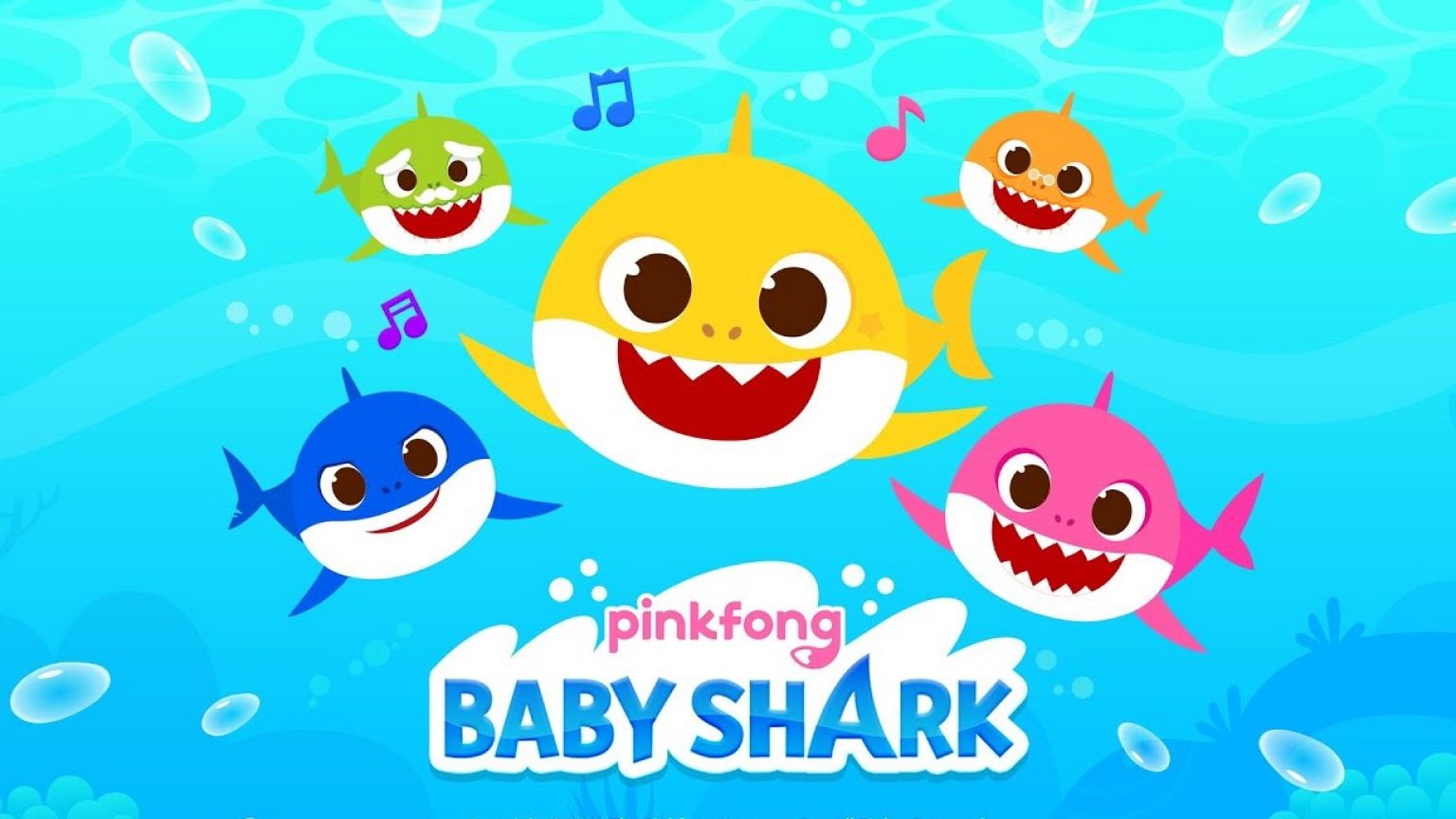
South Korea’s top judiciary has determined that the internationally famous children’s tune “Baby Shark” is an authentic creation and was not copied from another composer’s work. This judgment conclusively concludes a prolonged legal dispute over the intellectual property rights of the popular song. The court’s decision confirms that the creators of the song did not violate any pre-existing copyrights, thereby recognizing the originality of their musical piece.
The legal battle began when a songwriter claimed that the tune and composition of “Baby Shark” were taken from a song he composed many years ago. This allegation triggered an extensive legal journey through several courts in South Korea. The complainant asserted that the likeness between the two pieces of music was too extensive to be accidental, implying an intentional replication without appropriate acknowledgment or permission.
During the court proceedings, both parties presented detailed evidence to support their claims. The composer’s legal team provided expert analysis and musical scores to highlight the alleged similarities in key melodic phrases and rhythmic patterns. They argued that these resemblances were proof of copyright infringement. In contrast, the defense, representing Pinkfong, the company behind the song, contended that any similarities were either generic or part of the public domain, which are common features in simple children’s songs.
The legal journey saw a series of conflicting decisions. The initial courts found in favor of the composer, but this was later overturned by the appellate court. This back-and-forth highlighted the complex nature of copyright law, especially when dealing with simple, repetitive musical compositions. The judiciary had to meticulously evaluate the evidence to determine if the similarities crossed the line from a coincidental resemblance to a genuine violation of intellectual property.
The Supreme Court’s final ruling was the result of an exhaustive review of both compositions. The panel of judges concluded that while some superficial similarities existed, “Baby Shark” contained enough original elements to be classified as a new and distinct work. They found that the song’s specific arrangement, lyrical content, and overall creative expression were sufficiently different from the plaintiff’s piece. This landmark decision provides a clear precedent for future copyright cases involving simple melodies and helps to define the difference between inspiration and plagiarism.
This verdict is a significant win for Pinkfong and its parent company, SmartStudy. It secures the intellectual property rights for their most famous creation, removing any legal uncertainty that had been hanging over the song. “Baby Shark” has become a global cultural phenomenon, with billions of views on platforms like YouTube and a massive merchandising empire. The legal challenge had the potential to threaten this success, making the court’s final decision a crucial one for the company’s future.
The case also sheds light on the difficulties that creators face in the modern era of media. With an endless amount of content available at their fingertips, creating something entirely new is an increasing challenge. This ruling provides a nuanced perspective on what constitutes plagiarism, particularly for musical pieces that may share simple, foundational elements. The court’s finding suggests that a creator can use common musical ideas and still produce a protected, original work, as long as the new creation possesses its own unique character and expression.
The music and entertainment sectors have been attentively observing this case, given its wider ramifications for copyright regulations. The ruling specifies that establishing plagiarism entails more than a mere resemblance. It necessitates proof of an exact duplication or a notable absence of creativity. This is an essential difference that will influence future judicial decisions and assist creators as they manage the intricacies of intellectual property.
The Supreme Court’s ruling solidifies “Baby Shark” as an original and protected piece of work. It concludes a high-profile legal dispute and allows the song’s creators to move forward without the threat of legal challenges. The case will be remembered for its detailed examination of musical copyright and its influence on how simple melodies are viewed under the law, reinforcing the idea that originality is not just about individual notes, but about their unique arrangement and creative expression.