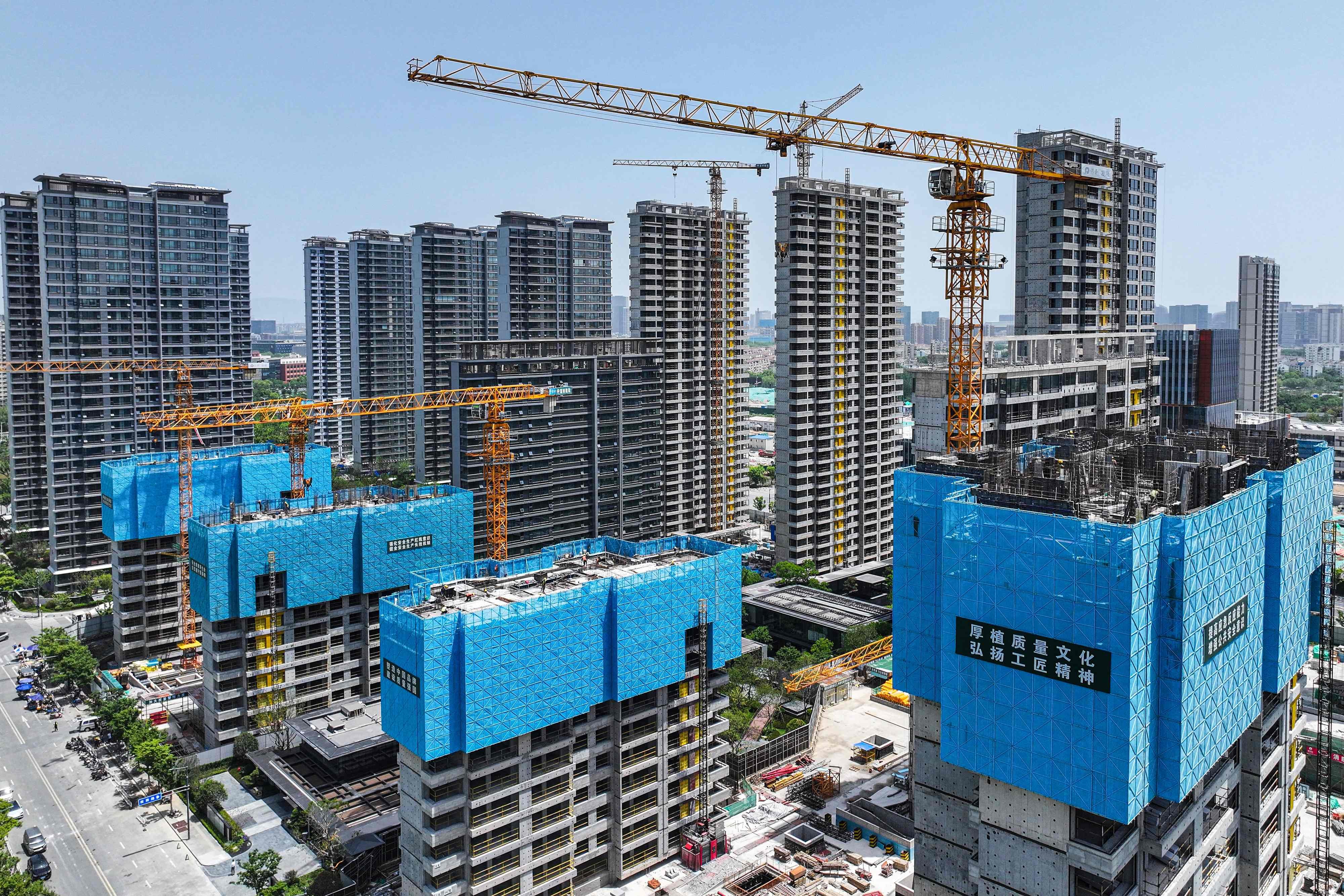
Evergrande, once one of China’s most prominent real estate developers, has been officially delisted from the stock exchange, marking the latest chapter in a dramatic downfall that has captivated global financial markets. The company, known for its rapid expansion and ambitious projects, struggled for years under mounting debt and financial mismanagement, culminating in a collapse that has had far-reaching consequences for investors, homeowners, and the broader Chinese economy.
Founded in the 1990s, Evergrande rose quickly to become a symbol of China’s property boom. With vast residential complexes, commercial projects, and even ventures into electric vehicles and healthcare, the firm epitomized rapid growth and ambition. Its towering developments in major cities showcased both its influence and the scale at which it operated. At its peak, Evergrande was considered a blue-chip stock and attracted significant investment from domestic and international markets alike.
Nonetheless, below the shiny exterior of tall apartment buildings and vast developments, Evergrande’s financial foundation was weak. The company depended extensively on borrowing to drive its growth, accumulating liabilities that ultimately became unmanageable. Experts had been cautioning about the dangers linked to its bold borrowing strategy, yet the expansionary path had overshadowed these worries for a long time. As real estate prices declined and regulatory inspections intensified, the company found it challenging to fulfill its responsibilities, sparking a trust crisis among investors.
The delisting marks the culmination of years of financial turbulence. For shareholders, it represents a total loss on paper, as the company’s shares plummeted from their previous highs to a fraction of their former value. Creditors, both domestic and foreign, have faced long delays in recouping investments, while ongoing restructuring efforts attempt to address outstanding debts and unfinished projects. The ripple effects extend beyond the company itself, impacting suppliers, contractors, and the broader real estate market in China.
The Chinese government has played a careful role throughout the crisis. Authorities intervened to stabilize the housing sector and prevent systemic risk, emphasizing the protection of homebuyers and the completion of key projects. Evergrande’s collapse has prompted regulators to tighten rules around corporate debt, liquidity management, and transparency, reflecting a broader push to ensure financial stability and prevent similar crises in the future.
Evergrande’s story is also a cautionary tale about the challenges of rapid expansion without sustainable financial planning. While the company’s vision and ambition were undeniable, the lack of robust risk management left it vulnerable when market conditions shifted. Economists and industry observers note that Evergrande’s fall has altered investor sentiment in China’s property market, with increased scrutiny on other highly leveraged developers.
Despite the collapse, the Evergrande saga is not solely a story of failure. It highlights the evolving nature of China’s economy, the risks inherent in high-growth industries, and the increasing role of regulatory oversight. For homeowners whose apartments remain unfinished, the resolution of these issues is ongoing, with authorities working to ensure that essential projects are completed. For investors, Evergrande serves as a stark reminder of the importance of financial due diligence and the potential consequences of corporate overreach.
The worldwide impact of Evergrande’s collapse has been considerable. Global investors and financial entities involved in Chinese real estate markets have encountered losses and heightened unpredictability. The situation has sparked conversations about the interconnected nature of global finance, with experts observing possible ripple effects in other industries and economies. Although the Chinese government has managed to control short-term systemic dangers, the enduring lessons from Evergrande’s ascent and decline still echo across the globe.
Evergrande’s removal from the stock exchange also signifies the close of a period defined by fast-paced, debt-driven expansion that dominated China’s real estate industry over the last twenty years. It emphasizes the difficulties builders encounter in harmonizing their ambitious goals with sustainable approaches and highlights the changing regulatory landscape that increasingly requires openness and fiscal responsibility.
As the business deals with the consequences of its downfall, initiatives are being taken to reorganize liabilities, finish crucial undertakings, and safeguard the interests of purchasers and participants. Simultaneously, the larger real estate sector is conforming to a new scenario, where monetary discipline and meticulous risk handling have become vital for endurance. Investors, from both domestic and foreign backgrounds, are reevaluating their approaches, and regulators are fine-tuning regulations to avert another occurrence of such notable setbacks.
The journey of Evergrande—a once-celebrated example of expansion now turned into a warning of business failure—highlights the fragile balance between ambition and long-term sustainability. Its removal from the stock exchange marks the end of a significant era in China’s real estate narrative, but the insights it provides will continue to impact the industry for many years, influencing investment strategies, regulatory policies, and market anticipations worldwide.