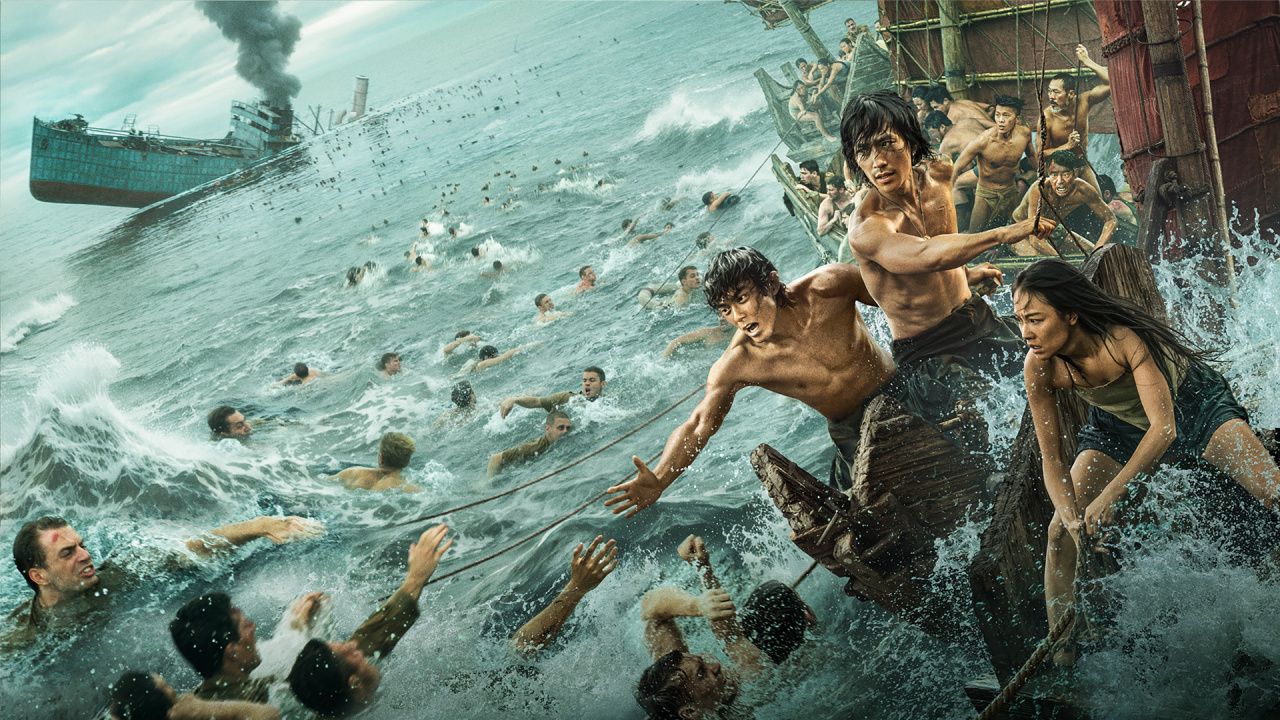
During the turmoil of the Second World War, numerous instances of bravery remained unrecognized, overshadowed by the vast scope of the global turmoil. One of these overlooked narratives is the remarkable tale of an individual whose life was spared due to the kindness and heroism of Chinese fishermen—everyday individuals who jeopardized it all for the sake of a stranger.
The incident occurred close to the Dongji Islands, a secluded cluster of small islands near China’s shoreline. During this period, the area was heavily monitored as Allied and Axis forces competed for control in the Pacific. In the midst of these challenging seas, destiny put one individual in a fierce fight for survival.
After a challenging mission that failed, he found himself abandoned in the ocean, holding onto hope amidst the limitless waters. Tired and exposed, his likelihood of staying alive was minimal. However, fate played a part when some local fishermen came across him. These individuals, leading uncomplicated lives focused on the sea’s cycles, encountered a tough decision: aiding him would mean opposing the strict Japanese rule in the region, a move that could endanger their lives.
Although the peril was evident, the fishermen prioritized compassion over trepidation. They rescued him from the sea, provided nourishment, warmth, and a secure spot to heal. Their bravery involved significant risk. Japanese troops controlled the area and were notorious for harsh retribution against those who helped enemy combatants. Nevertheless, motivated by kindness and an implicit sense of unity, these fishermen protected the outsider as if he belonged to their community.
For days, they hid him among their small coastal villages, devising ways to evade Japanese patrols. Each passing moment intensified the threat of discovery. Still, they persevered, ultimately guiding him to a safer location where he could reconnect with Allied forces. Their selfless actions ensured that a man who might have vanished without a trace instead lived to tell his story.
In the grand tapestry of history, this often disregarded chapter brings to light a critical aspect of warfare: beyond political maneuvers and combat, the will to endure frequently relies on the compassion shown by the powerless yet incredibly brave. The Dongji rescue exemplifies the persistence of humane behavior even during the most trying times for humanity.
Many years after the fact, as historians reconstruct lesser-known episodes from the Second World War, narratives such as this one remind us that heroism is not confined to military personnel in combat zones. It can also be observed in fishermen who opted to rescue individuals instead of succumbing to fear. Their courage prompts us to rethink what genuine bravery signifies—not just in wartime, but at any time when compassion prevails over apathy.