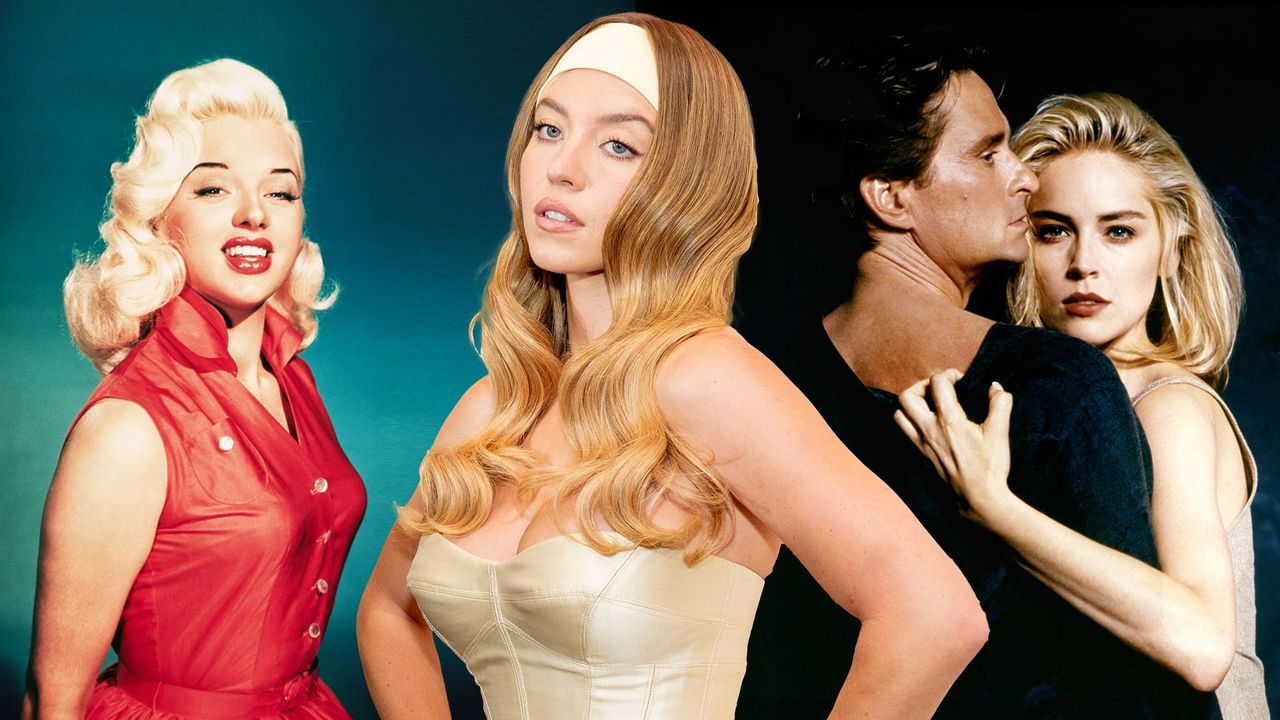
The blonde bombshell has long been a cultural icon, embodying a paradoxical mix of allure and intimidation. More than just a symbol of beauty, she represents a complex interplay of desire and danger—a figure who captivates and unsettles in equal measure. Throughout history, this archetype has been wielded like a double-edged sword, celebrated for its magnetism yet scrutinized for its perceived threat.
Desde actrices de Hollywood hasta influenciadoras actuales, la rubia icono ha conservado una presencia constante en los medios y la cultura popular. Su imagen está meticulosamente diseñada, fusionando glamour con una base de poder. Sin embargo, este mismo poder a menudo la convierte en un objeto de fascinación y temor. El cabello dorado, los rasgos llamativos y la actitud segura capturan la atención, pero también suscitan especulación, cosificación e incluso desconfianza.
The roots of this archetype can be found in the early days of cinema, with actresses such as Jean Harlow and Marilyn Monroe mastering the role of the alluring blonde. Their roles transcended simple amusement; they influenced how society viewed femininity, sensuality, and autonomy. Monroe, especially, emerged as a lasting emblem of this paradox—her sensitivity and sharpness often juxtaposed against her frequent portrayal as just an object of attraction. The sorrowful aspects of her life highlighted the more sinister facets of this image, showing how quickly admiration can transform into exploitation.
Beyond Hollywood, the blonde bombshell has been a recurring motif in literature, music, and advertising. She is both the femme fatale of noir films and the glamorous muse of pop culture. In each iteration, she challenges norms, disrupts expectations, and forces audiences to confront their own biases. Is she a figure of empowerment or a product of male fantasy? The answer often depends on who controls the narrative.
What makes the blonde bombshell so compelling—and controversial—is her ability to wield her image as a form of influence. In some contexts, she is celebrated for her confidence and autonomy; in others, she is dismissed as superficial or even dangerous. This tension speaks to broader societal attitudes toward beauty, power, and femininity. When a woman embraces her sexuality unapologetically, she is often met with both admiration and backlash, revealing deep-seated contradictions in how society perceives female agency.
As of now, the blonde bombshell is still transforming, adjusting to changing cultural contexts. Contemporary stars and well-known individuals embrace the archetype, employing it to defy stereotypes instead of submitting to them. Nonetheless, the core themes persist: allure and peril, respect and unease. Whether seen as an emblem of freedom or a creation of patriarchal notions, the blonde bombshell continues to be a lasting—and controversial—icon in the shared consciousness.
In the end, her legacy mirrors society—a reminder that beauty and power are seldom impartial, and that the things we covet most are often the same ones we dread.