

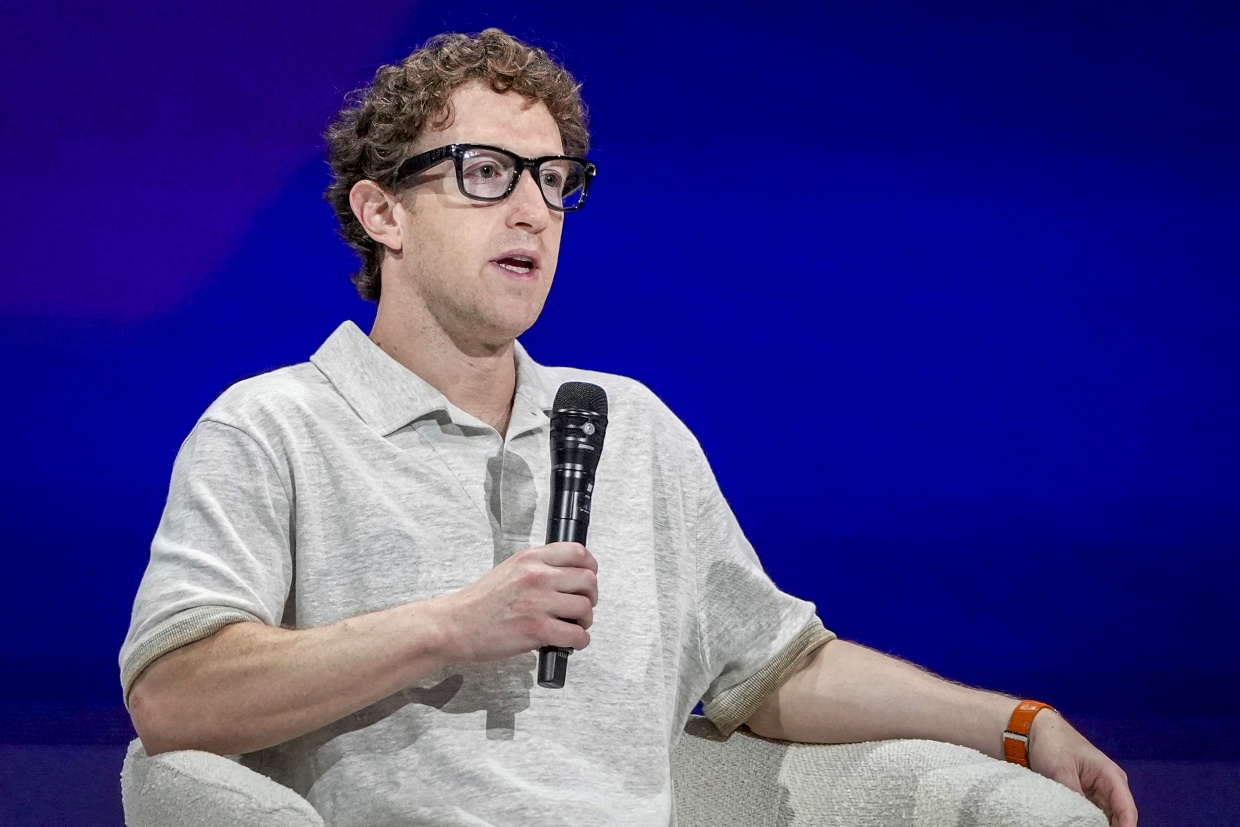
In a significant development for Meta Platforms, its founder and CEO Mark Zuckerberg, alongside current and former directors and officers, have reached an agreement to settle a lawsuit seeking a staggering $8 billion. The legal action, brought by shareholders, alleged that the defendants’ negligence led to recurring breaches of Facebook user privacy, consequently causing substantial financial harm to the company in the form of fines and legal expenditures. The settlement was disclosed to a Delaware judge on Thursday, leading to the abrupt adjournment of a trial that was poised to enter its second day.
The intricacies of the complex deal have not been shared publicly by the parties involved, and the defense attorneys did not make any statements to the court after the declaration. Vice Chancellor Kathaleen McCormick of the Delaware Court of Chancery, who presided over the case, recognized the agreement and praised the parties for reaching a quick accord. Sam Closic, who is the attorney for the affected shareholders, noted that the settlement was achieved swiftly, leading to an unexpected end of a significant legal confrontation. The timing was particularly noteworthy as influential venture capitalist and Meta board member, Marc Andreessen, who is a defendant in the case, was due to give his testimony on Thursday.
The lawsuit itself was a concerted effort by Meta shareholders to compel Zuckerberg, Andreessen, and other former high-ranking company officials, including former Chief Operating Officer Sheryl Sandberg, to personally reimburse the company for billions of dollars in penalties and legal fees incurred over recent years. At the heart of the shareholders’ claim was the assertion that the defendants’ actions, or inactions, directly contributed to the company’s repeated failures in safeguarding user data. These failures ultimately culminated in a landmark $5 billion fine levied against Facebook in 2019 by the Federal Trade Commission (FTC). The FTC’s penalty stemmed from the company’s non-compliance with a 2012 agreement specifically designed to protect the privacy of its vast user base.
The essence of the shareholders’ argument was a pursuit of individual accountability. They sought to leverage the personal wealth of the 11 defendants, arguing that these individuals, through their leadership and oversight roles, were directly responsible for the corporate missteps that led to such substantial financial liabilities for the company. The defendants, for their part, consistently refuted these allegations, labeling them as “extreme claims” and maintaining their innocence throughout the legal process. It is crucial to note that Meta Platforms itself, which rebranded from Facebook in 2021, was not a defendant in this particular shareholder derivative lawsuit. The legal action was directed solely at the individuals who held positions of power and influence within the company during the period in question.
The outcomes of this agreement have multiple dimensions. Although it avoids a potentially prolonged and highly publicized court case that might have revealed more information about Meta’s internal management of privacy and corporate oversight, the confidentiality of the agreement’s terms implies that the full scope of accountability remains undisclosed. This resolution has been met with disapproval by certain groups, especially from those advocating for increased transparency in businesses. Jason Kint, who leads Digital Content Next, a trade group for content providers, expressed his frustration by saying, “This agreement might offer some comfort to the parties, but it’s a lost chance for public accountability.” This opinion mirrors a wider interest among certain parties for more public accountability when major companies are accused of serious wrongdoing.
For Meta, the settlement offers a degree of closure on a significant legal distraction. Prolonged litigation can divert executive attention, consume considerable resources, and cast a persistent shadow over a company’s reputation. By reaching an agreement, Meta’s leadership can now potentially shift its full focus back to its core business operations, including its ambitious pivot towards the metaverse, its ongoing challenges in the advertising market, and its continued efforts to address privacy concerns that remain central to its public image and regulatory relationships worldwide.
The situation further highlights the increasing prevalence of shareholder derivative lawsuits that focus on individual executives and board members in large companies, especially within the technology sector, where data privacy has emerged as a crucial issue. These legal actions seek to hold fiduciaries personally accountable if their supposed negligence results in notable financial or reputational harm to the organizations they manage. The threat of this kind of personal accountability acts as a strong motivator for business leaders to give precedence to adhering to regulations and upholding ethical standards, particularly in domains that are sensitive and subject to stringent regulations, like user data.
While the specific financial contribution of each defendant, or the nature of any non-monetary commitments, remains undisclosed, the settlement amount itself – or the claim it resolves – signals the magnitude of the allegations. An $8 billion figure highlights the severe financial impact attributed to the alleged privacy violations and the resulting regulatory penalties. For individual directors and officers, even a fraction of such a liability could be personally devastating, making a settlement a compelling option to mitigate financial risk and avoid the uncertainties of a jury trial.
The wider setting of this legal case is Meta’s ongoing battle with privacy issues. From its beginning, Facebook, now known as Meta, has been under constant examination regarding its data management methods. Events like Cambridge Analytica and the following FTC penalty have greatly diminished public confidence and resulted in increased regulatory control worldwide. Although this particular legal case concentrated on previous alleged wrongdoings and their economic impact on the company, the core matters of data privacy and corporate accountability continue to be crucial in Meta’s persistent difficulties and its attempts to restore its reputation.
The outcome of this situation, despite not being completely transparent, hints at a practical stance from both parties to prevent extended doubts and expenses tied to an extensive court process. For the shareholders, reaching an agreement secures a return for the company, though derived from individuals, without the uncertainties associated with a trial. For the defenders, it offers a way out of possible personal verdicts, open court statements, and additional harm to their reputation.
While the specific impact on Meta’s governance structures or future privacy practices is not immediately clear from the settlement announcement, the very existence of such a lawsuit and its resolution will likely serve as a powerful reminder to the company’s leadership of the financial and legal ramifications of privacy lapses. The saga concludes not with a definitive judicial pronouncement on guilt or innocence, but with a private agreement that closes a chapter of intense legal challenge for some of the most influential figures in the technology world.


